.png)

AI in agriculture improves efficiency by enabling real-time decisions through data, sensors, and smart machines.
Computer vision and AI systems reduce input costs by targeting weeds, pests, and crop stress accurately.
Farm management systems powered by artificial intelligence help farms plan better and manage risks.
Artificial intelligence is changing agriculture from traditional experience-based farming into data-driven and real-time decision-making. Farms now use AI systems to observe crops, soil, animals, and machines all the time. These systems analyze large volumes of data and give precise actions.
This shift helps agriculture move from uniform field treatment to crop and plant-level management. AI is expected to act as the backbone of farming operations by connecting sensors, machines, software platforms, and farm management systems into one intelligent ecosystem.
Also Read: Benefits of Integrating ChatGPT into Precision Agriculture
The global market for AI in agriculture continues to grow fast. Industry estimates value the AI in agriculture market at about $2.8 billion in 2025, with projections reaching nearly $8.5 billion by 2030. This growth shows an annual rate of 25%. Analysts connect this expansion to rising adoption of automation, smart machinery, and data platforms.
The wider digital agriculture market, which includes farm software, analytics platforms, and connected equipment, is expected to grow from roughly $21.4 billion in 2025 to about $35.9 billion by 2030. These numbers show strong confidence from investors, technology providers, and agribusiness firms.
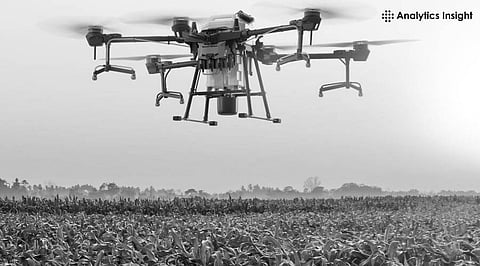
Computer vision has become one of the most important AI technologies in agriculture. Cameras mounted on tractors, sprayers, drones, and robots now scan fields continuously. AI models analyze these images to identify crops, weeds, pests, and plant stress. Farmers no longer wait for manual scouting or lab analysis. Machines now detect problems and respond instantly.
Targeted spraying systems show a breakthrough. AI-powered sprayers identify weeds in real time and apply herbicides only where weeds appear. This approach has delivered average chemical savings of around 59%. In 2024 alone, such systems helped save millions of gallons of herbicide. These savings reduce costs, protect crops, and lower environmental impact while keeping effective weed control.
Agricultural robotics focuses on specific tasks instead of full farm automation. Developers design robots to handle weeding, spraying, harvest support, and material transport.
This task-based approach makes adoption easier and improves return on investment. Farmers measure success by acres covered, labor hours saved, and the amount of inputs reduced.
Robots and autonomous machines directly address labor shortages, which remain a serious problem in many farming regions. Automated equipment works longer hours, operates with steady precision, and reduces worker exposure to chemicals and dangerous conditions. Investment trends show strong interest in robots that perform repetitive and labor-intensive tasks, especially weed control and field maintenance.
Generative AI has acquired a more substantial role in the management of farms. Operators can now have simple chats with AI tools instead of relying on sophisticated dashboards. The systems provide an overview of the field conditions, clarify the sensor alerts, devise scouting schedules, and create digital files for compliance and audits.
Researchers and industry groups focus on building trustworthy generative AI tools for agriculture. These systems use verified farm data, agronomic knowledge, and local conditions. This approach helps reduce errors and build more confidence in AI-generated advice. As these tools grow, generative AI will make farm work easier and reduce admin workload.
AI influence now goes beyond just production and moves into processing, grading, and supply chains. Computer vision and analytics systems check crop quality, size, color, and defects with high accuracy.
These technologies improve pricing transparency and create faster feedback between processors and farmers. This closer connection helps farms adjust their practices based on market demand and final quality results.
AI technologies help to safeguard farm profits by improving efficiency. The use of targeted spraying and variable rate systems achieves the same yield but with less fertilizer and chemicals. The farmers, who are the main users of these tools, reap the benefit of the tools by our joining sustainability goals and retailers' demands for responsible farming practices.
AI is also the key to unlocking better risk management. By using forecasts for weather stress, pests, and yields, irrigations, storage, logistics, and insurance will be planned more efficiently. AI-based record keeping will make it much easier if less manual effort is involved to support traceability, food safety, and sustainability reporting through improved documentation.
Also Read: AI in Agriculture: Real-World Applications and Examples
Even with the huge progress that has been achieved, there are many difficulties that AI has to overcome for complete integration. The incompatibility of data from different brands of equipment prevents the full integration of the system.
Disconnection in rural areas limits the exchange of data in real time. The issues of data ownership, privacy, and transparency are yet to be resolved and come under the umbrella of rules and governance.
Within the next five years, AI is expected to be a part of the basic farm infrastructure. The farms that incorporate sensing, forecasting, action, and verification will be the ones that experience stronger productivity, resilience, and sustainability for the long term.
1. What is AI in agriculture?
AI in agriculture refers to the use of artificial intelligence technologies to analyze farm data and support better farming decisions.
2. How does computer vision help farmers?
Computer vision helps identify weeds, pests, and crop health issues by analyzing images from cameras and drones.
3. Are AI systems expensive for small farmers?
Costs vary, but many AI tools now offer scalable solutions suitable for small and medium-sized farms.
4. Do farm management systems replace farmers?
Farm management systems support decision-making but do not replace human judgment or experience.
5. What is the biggest benefit of artificial intelligence in farming?
The biggest benefit is improved productivity with lower costs and reduced environmental impact.
