.png)

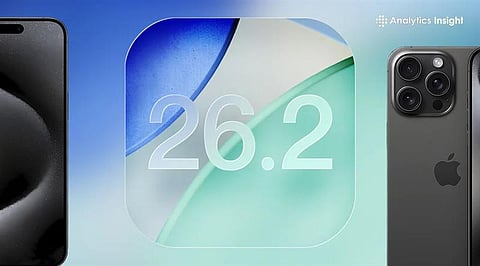
Apple announced the second Release Candidate of iOS 26.2 to both developers and public beta testers on December 10, 2025. This is a critical stage that leads up to the stable release of the software. The refreshed build is numbered as 23C54, replacing an earlier RC, 23C52, which is usually the last step before the update reaches all iPhone users.
The new RC offers a refined mix of design polish, functional upgrades, and region-specific feature rollouts. The most visible addition is the Liquid Glass slider on the Lock Screen that lets users adjust the clock’s transparency. The feature extends Apple’s Liquid Glass aesthetic first introduced at WWDC and trickles down across UI elements on iOS.
The update also expands AirPods Live Translation availability to European Union users beyond the initial limited rollout. Productive specialists, on the other hand, will appreciate a more subtle yet useful adjustment in the Reminders app. The update will allow users to add alarms for due tasks and make time-sensitive notifications more flexible.
Apple continues its design overhaul with a redesigned Level tool inside the Measure app. The traditional white circle indicators are replaced by fluid, translucent bubbles that better reflect the Liquid Glass style.
System-wide animations have improved significantly. Pop-out menus respond quicker and animate more smoothly by default. The display appears closer to the transitions Apple showed at WWDC previews of the operating system.
Also Read: Apple Fitness+ Arrives in India on December 15: Check Features, Price & Launch Deal
The Games app receives practical updates, such as an option to sort titles by file size to help users manage their storage more effectively. Real-time score updates and improved controller navigation further elevate the gaming experience.
In the automotive domain, CarPlay introduces a new toggle that lets users disable pinned conversations in Messages. This provides a more granular control to the driver over what displays on the dashboard interface.
Apple also added more transparency around Enhanced Safety Alerts, like flood or earthquake notifications. The company clarified that the system uses device location only to determine the applicable regions and does not store data permanently.
