.png)

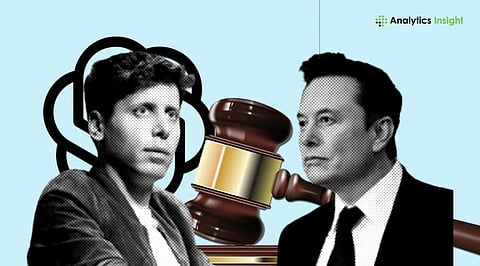
A jury is set to decide the outcome of the lawsuit Elon Musk filed against OpenAI. The case gained worldwide attention, as it raises major questions about how leading AI firms now operate. The final verdict is also expected to influence the broader trend in market competition, shaping the industry.
Musk claims that OpenAI is drifting away from the original non-profit mission. In his view, the company has favored commercial interests over building AI for the benefit of everyone, not just specific customers. The lawsuit is aimed at how OpenAI operates behind the scenes, especially its partnership arrangement and the governance setup.
Judge Yvonne Gonzalez Rogers noted that the decision may come down to a simple question: “Who to believe among the bickering billionaires?” Additionally, Musk's attorney, Steven Molo, said in his closing argument Thursday, “A non-profit devoted to the safe development of artificial intelligence, open sourced as practical, for the benefit of humanity. You know, we're supposed to buy that,” slamming Altman's integrity.
Sarah Eddy, OpenAI attorney, countered with an attack on Musk himself, “Even the people who work for him, even the mother of his children, can't back his story.” Eddy was referring to Shivon Zilis, a business associate of Musk with whom he has four children. She had testified about her role as an intermediary between the tech executives.
Experts suggest that a decision in Musk’s favor could trigger stricter oversight and changes in how AI companies balance profit with public responsibility. If OpenAI wins instead, it could validate the industry models people already use and nudge other competitors to copy similar frameworks.
The world is still wrestling with AI accountability and the terms around it. The result might impact future policies, what investors choose to support, and how firms approach AI development. It could also influence public confidence in artificial intelligence and in the organizations building it, instead of just promoting it.
Also read: ArXiv Warns Researchers Against Submitting Papers With Unchecked AI Content
