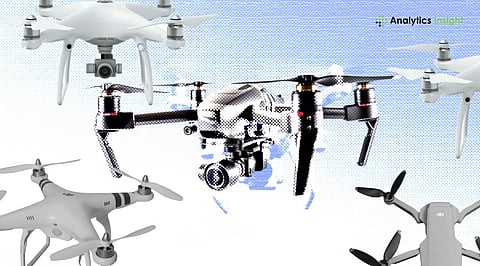
.png)

DJI and Walksnail are leading the digital FPV market with improved low-latency flying systems.
Indoor racing drones are gaining popularity due to affordability, compact size, and easier beginner-friendly controls.
Custom-built FPV drones remain preferred among experienced racers seeking advanced tuning and freestyle performance.
FPV racing drones have moved far beyond hobby circles. They are part of competitive esports events, creator culture, and weekend racing communities across the world. Manufacturers are focusing on lighter frames, faster motors, and low-latency video systems that give pilots quicker response times during races.
The latest generation of drones also makes FPV flying easier for newcomers. Several models now come with safer controls and ready-to-fly setups, while advanced racers still have the option to build and customise their own machines.
Here are 10 racing drones that have gained attention this year.
DJI’s Avata 2 continues to lead the premium FPV segment. The drone offers stable flight performance, sharp video transmission, and smoother controls compared to earlier versions.
Pilots who are new to FPV flying prefer it as the setup process is simple and the learning curve is less intimidating. The compact design also makes it easier to carry for outdoor racing sessions and freestyle flying.
The GEPRC Mark5 DC HD remains popular among freestyle racers. Its carbon-fibre frame is built to handle crashes and high-speed manoeuvres without affecting stability. The drone is mainly aimed at experienced FPV users who prefer aggressive dives, tight cornering, and manual flying.
Tinyhawk III Plus has become a common choice for indoor FPV racing. Its smaller frame allows pilots to fly in narrow spaces and practise technical movements safely. Many beginners start with the Tinyhawk series because repairs and replacement parts are relatively affordable.
Nazgul Evoque F5 V2 is designed for pilots who prefer customised racing setups. The lightweight frame improves speed while maintaining durability during crashes. FPV communities continue to favour the Nazgul series as it supports different digital video systems and advanced tuning options.
The DJI FPV Combo still attracts first-time buyers in 2026. Features such as emergency braking and assisted flight modes make high-speed flying less risky for beginners. The drone also offers a more polished experience compared to many manually built FPV setups.
Also Read: Google Explores AI, Server, and Drone Manufacturing Investments in India
Indoor racing has expanded significantly this year, and the BetaFPV Air75 II is among the most recommended drones in this category. The lightweight, hoop-style frame helps pilots navigate tight racing tracks with better control. Its responsive handling has made it popular for practice sessions and smaller racing events.
Analog FPV systems still have dedicated followers despite the growth of digital video transmission. The Master 5 V2 remains relevant because analog setups generally offer lower latency during competitive races. Professional racers often prefer quicker response times over higher video quality.
The iFlight F5 HD Frame Kit is aimed at advanced users building their own racing drones. The frame supports both analog and HD systems while maintaining balance during high-speed flights. Pilots who enjoy upgrading motors, ESCs, and cameras separately continue choosing this platform.
Walksnail has emerged as one of the biggest challengers to DJI in the digital FPV market. The Avatar HD Pro Racer delivers clear visuals and stable signal performance during fast flights. Its growing popularity shows that FPV racers are now exploring alternatives beyond DJI’s ecosystem.
Racing drones are becoming faster, more durable, and easier to operate. The market now caters to both newcomers looking for simple, ready-to-fly models and experienced pilots who prefer fully customised builds.
Drones such as the DJI Avata 2 and DJI FPV Combo continue attracting beginners, while platforms from GEPRC, iFlight, and Walksnail remain popular among competitive racers. With FPV racing gaining mainstream attention, the segment is expected to grow further over the next few years.
Which racing drone is best for beginners in 2026?
DJI Avata 2 and DJI FPV Combo are considered beginner-friendly because they offer assisted flight modes, safety controls, stable flying performance, and a simpler setup compared to custom-built FPV racing drones.
Are FPV racing drones legal to fly in India?
FPV racing drones are legal in India under DGCA rules, but users must follow drone regulations, registration requirements, flying zone restrictions, and safety guidelines during outdoor or competitive flying activities.
What is the difference between analog and digital FPV systems?
Analog FPV systems offer lower latency and faster response times, while digital FPV systems provide sharper video quality, better signal stability, and a more immersive flying experience during races.
How fast can racing drones go in 2026?
Modern racing drones can easily cross speeds of 120 kmph, depending on motor power, drone weight, battery configuration, and racing conditions used during professional competitions or freestyle flying.
Which brands dominate the FPV racing drone market in 2026?
DJI, GEPRC, iFlight, BetaFPV, Walksnail, and EMAX are among the leading brands dominating the FPV racing drone market with products designed for beginners, freestyle pilots, and professional racers.
