.png)

Choosing the right hair care appliance starts with hair type, styling goals, and frequency of use, not brand names or price tags
Common buying mistakes cost money and damage hair, and knowing them in advance sharpens every purchase decision
The 2026 hair appliance market is shifting toward multi-stylers, cordless designs, and smart heat technology
Most people pick hair appliances based on brand reputation, influencer recommendations, or whatever is on sale. The result is often an expensive tool sitting unused in a drawer. The best appliance for one hair type can actively damage another. Getting this decision right starts with one question: what does the hair actually need?
The wrong appliance does not just underperform. It causes split ends, breakage, and long-term damage that takes months to repair. A high-heat straightener on fine hair can strip moisture faster than the hair can naturally recover. A basic dryer without a diffuser leaves curly hair frizzy and undefined. Matching the tool to the hair type is the single most important step before any purchase.
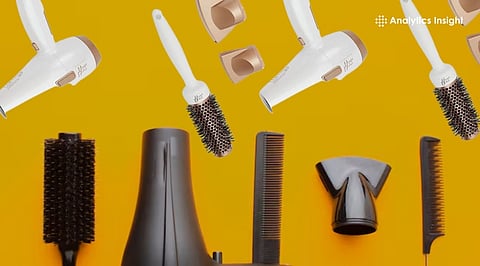
Four categories cover most styling needs. Hair dryers handle drying and volumizing. Straighteners flatten and smooth. Curling wands and tongs create waves and defined curls. Multi-stylers combine two or more functions in a single device. Knowing which category fits the style routine eliminates most of the confusion before comparing models.
This table answers the question most buyers skip entirely. Start here before opening any product page.
Heat range matters more than maximum temperature. An appliance that reaches 230 degrees is not better than one capped at 200 if the hair only needs moderate heat. Adjustable temperature controls give precision. Fixed high-heat settings increase the risk of hair damage.
Ionic technology neutralizes static charge and reduces frizz. It benefits thick and coarse hair most noticeably. Weight affects daily usability more than most buyers anticipate. A heavy dryer or straightener used every morning creates wrist fatigue within weeks. Check cord length and swivel joints as well. These details become irritating quickly once the product is in daily use.
Three mistakes repeat across most poor hair appliance purchases.
The first is buying the highest heat setting without considering the damage risk. High heat speeds up styling but weakens hair over time. Fine and colour-treated hair needs controlled, lower heat settings rather than maximum power.
The second is choosing a multi-styler when only one function is actually needed. Multi-stylers offer flexibility, but they cost more and sometimes compromise performance compared to dedicated single-function tools. Buy one only if the user genuinely needs multiple styling functions.
The third is overlooking weight and ergonomics. An appliance used daily needs to feel comfortable in the hand for the full duration of a styling session. Always check the weight specification before buying, particularly for hair dryers.
Budget appliances are good for first-time buyers trying a new type of appliance, occasional use, and basic styling. For many people, the middle-tier models provide a good mix of quality, features, and durability.
If someone uses the appliance every day, needs different styling options, or wants precise heat control for their hair, a premium appliance can be worth the extra cost. When a customer pays more for something that they don't use often, they are paying for something that isn't necessarily proportionate to the value.
Multi-stylers are becoming increasingly popular as consumers seek greater versatility from a single device. The styling time is reduced across the mid-range with faster heat-up technology. New ionic systems provide more frizz control with less heat exposure.
Cordless designs are no longer a luxury but are now mainstream. Smart temperature controls, which adjust output according to hair thickness, are becoming available throughout the mid- and high-price ranges.
Also Read: Most Powerful Hair Dryers You Can Buy: Best High-Performance Models Reviewed
Identify the hair type before selecting any appliance
Match heat settings to hair thickness and texture
Check the weight for daily usability
Choose between single-function and multi-styler based on the actual routine
Set budget based on frequency of use, not brand reputation
Confirm warranty and after-sales service in your region
Hair appliances are not a one-size-fits-all purchase. The 2026 market is more diverse than ever, and it's important to consider the hair type, styling habits, and long-term needs of the hair, not marketing claims or fleeting discounts.
Quality is the most important aspect of an appliance, not the number of features. It is the one that consistently gives desired results with minimum damage from heat in the long run. Healthier hair, consistent performance, and years of service provide a lot more value in the end than any savings in the short run.
1. Which hair care appliance should I buy first?
The best first purchase depends on your styling routine. A hair dryer is ideal for everyday use, while a straightener, curler, or multi-styler is better suited for specific styling needs.
2. Are multi-stylers worth buying in 2026?
Multi-stylers are a good choice for people who like to switch between different hairstyles. They combine multiple functions in one device and can reduce the need to buy separate styling tools.
3. What features should I look for in a hair care appliance?
Key features include adjustable heat settings, ceramic coating, ionic technology, auto shut-off, ergonomic design, and attachments such as diffusers or styling nozzles.
4. How do I choose a hair appliance based on my hair type?|
Fine or damaged hair benefits from lower heat settings and protective technologies. Thick or frizzy hair often requires stronger airflow, higher heat ranges, and ionic features for better control and smoother results.
5. Is a premium hair care appliance always a better choice?
Not necessarily. Premium models usually offer more styling options and advanced features, but the best appliance is the one that matches your hair type, styling goals, and frequency of use.
