.png)

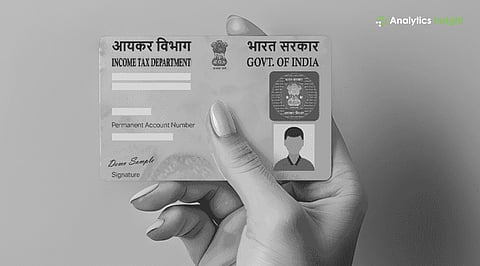
As India’s financial ecosystem becomes increasingly digitized, Permanent Account Number (PAN) has emerged as a central mode of identity for loans, credit cards, and banking transactions.
While this integration has improved efficiency and accessibility, it also increases the risks of financial fraud. Unauthorized loans on stolen or misused PAN details are becoming a growing threat to Indian users.
Many victims remain unaware of such fraud until they receive repayment calls, legal notices, or witness a sudden drop in their credit score.
In today's AI-advanced world, PAN is not just restricted to an identity verification card. It serves as a universal financial identifier to make the credit processing faster and more streamlined. While this offers convenience for most users, things can quickly go south if your PAN details fall into the wrong hands.
Scammers can exploit it for loans or credit facilities without your consent or awareness. Once the loan gets approved, it will be reflected in your credit history, irrespective of whether it was authorized or not. Thus, your credit score could be impacted negatively, leading to delays in future loan approvals or further legal complications.
Now that financial institutions are increasingly depending on automated systems, consumers must take responsibility for monitoring their own credit profiles. This is where reports come in; Indian bureaus maintain detailed records of all loans and accounts linked to a PAN. Hence, users can easily identify any unauthorized financial activity with little caution.
Let’s unfold the process gradually and begin with why you should check credit reports. These notices are basically a summarized record of your borrowings and payments; they include personal details, active loan status, repaid loans, credit cards, balance details, and any inquiries made using your ID cards.
In India, credit bureaus like CIBIL, Experian, Equifax, and CRIF High Mark offer reports based on the data shared by banks and NBFCs. So, any loans approved using your PAN details, authorized or not, will appear on these surveys.
Careful observers who regularly check their credit will not have any problem spotting red flags like unknown lenders, strange loan accounts, wrong loan amounts, or incorrect credit inquiries. If you detect any of these signals early, it allows quick prevention of further damage, reducing the time required to resolve disputes.
Also Read: How to Check Income Tax Refund Status Using Your PAN Card
Now that you are aware of the importance of reviewing your credit report, here’s how to access your credit report:
Choose any bureau, like CIBIL or Experian, to start the process. To initiate, you have to enter your PAN and basic personal details. Most of these platforms offer one free report every year that users can download and examine.
Once the report is generated, review the list of loans, credit accounts, and lenders carefully, along with account types, date of issue, and balance details. If you spot any discrepancies, added loans, or credit details that you do not recognize, go for immediate scrutiny.
Check for any unfamiliar activity, including loans from unknown lenders, accounts issued from locations that you have never visited, or sudden inquiries that you did not initiate. These indicators generally surface prior to a full-scale scam taking place; the sooner you identify them, the lower the chances of fraud.
If the manual review process seems a bit tough, several fintech applications offer simplified access to your credit bureau data. Apps like OneScore, Paytm, and Cred deliver a simplified version of your credit report, showing active loans, credit limits, and repayment statuses in a more understandable framework. Moreover, these apps can sometimes send alerts when new credit activities are registered against your PAN.
Also Read: Google’s Nano Banana Pro Sparks Safety Concerns After Generating Fake Aadhaar, PAN IDs
If you have discovered an unfamiliar loan or credit account linked to your PAN, immediate action is vital. The first step should include raising a dispute with the credit bureau that issued the report. Generally, bureaus allow online dispute resolution, where you can point out incorrect entries.
Next, you need to contact the lender associated with the unauthorized loan, formally informing them about the entire scenario. The owner has to provide identity documents and a written declaration to initiate an internal investigation.
In cases of confirmed fraud, if the owner files a complaint with cybercrime authorities or local police, that will strengthen the case while creating an official record. Even the Income Tax Department and PAN authorities will get to know about the frauds. So, keeping a track of credit history can save users from unpredictable scams.
1. What is an unauthorized loan linked to PAN?
Ans: An unauthorized loan is when fraudulent sources borrow using your PAN without your knowledge or permission.
2. How often should I check my credit report?
Ans: At least once every few months, or when you think there is any unusual financial activity.
3. Can unauthorized loans affect my credit score?
Ans: Absolutely, skipped payments or non-payments on fake loans can very much harm your credit score.
4. Is checking a credit report free in India?
Ans: Most credit bureaus offer a free yearly report; some may also provide you with unlimited access to your reports year-round.
5. What is the first step after spotting PAN misuse?
Ans: If you come across PAN misuse, dispute it with your respective credit bureau and contact the lender immediately.
