.png)

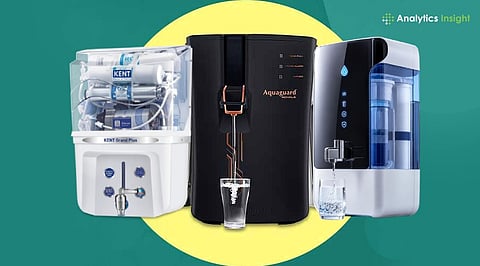
Amazon's July 2026 sale has brought real price cuts across Kent, Aquaguard, Pureit, Havells, and Atomberg, not just inflated pre-sale pricing.
Water source, not brand reputation, determines whether RO filtration is even the right choice for a household.
Six models were compared on the factors that shape long-term cost: water recovery rate, filter warranty length, and maintenance structure.
Water purifier discounts often follow a familiar pattern: prices rise before a sale, so the markdown looks larger than it is. This July, that pattern has Eased somewhat. Kent, Aquaguard, Pureit, Havells and the newer entrant Atomberg all show genuine reductions on popular models, not manufactured ones. Stock on well-reviewed configurations tends to move quickly once buyers notice, which makes timing part of the decision.
What gets lost in most sale coverage is a more basic question: does the household actually need reverse osmosis filtration in the first place? Low TDS municipal water is generally better served by a UV or UF purifier, since these retain natural minerals that RO strips out along with contaminants.
RO earns its cost on borewell water, tanker-fed supply, or any source carrying high TDS and hardness. Matching the filtration type to the water source is a decision that predates any conversation about discounts.
Note: Prices include GST and shift with ongoing sale activity. Listings should be checked directly before purchase.
Kent's advantage rarely comes from filtration technology, since most competing units cover similar ground. It comes from the service network. Buildings that draw a mix of borewell and municipal water across seasons benefit more from next-day technician access than from an additional filtration stage.
Aquaguard addresses a cost that most buyers never calculate: wasted water. Standard RO units discard several liters for every liter purified. The Aquasaver line claims a 60 percent improvement on that ratio, a figure that compounds into a noticeable difference on water bills over a year.
Aqua D Pure competes on different terms entirely: a 12-liter tank, the largest on this list, paired with the lowest price. The tradeoff lies in after-sales service, since the brand carries a smaller footprint than the four above it, worth confirming locally before purchase.
Havells solves for space rather than cost, fitting RO and UV filtration into a footprint suited to smaller kitchens, all while staying under Rs 10,000 even outside sale periods.
Atomberg's Intellon addresses maintenance structure directly. After the warranty expires, many Kent and Aquaguard owners opt for annual maintenance plans based on their usage. Intellon skips that model by default, tracking filter conditions through an app rather than a fixed calendar. The unit costs more upfront, but the long-term math can favor it, particularly on lower-TDS municipal water where filter replacement needs are less frequent.
Also Read: Best Water Purifiers with Low Maintenance Cost in 2026
Kent's service network makes the most sense for households whose water source shifts with the season. If saving water matters more, Aquaguard is the better pick, while Pureit works out cheaper over time through fewer filter replacements.
Aqua D Pure suits smaller households or renters well, thanks to its large tank and low price, and Havells fits neatly into compact kitchens. Atomberg is worth considering for anyone tired of recurring maintenance bills, especially where the water quality is already decent.
A lower price tag might catch the eye first, but a purifier that actually matches the home's water source is what pays off in the long run.
Also Read: Best Water Purifier Buying Guide: Everything You Need to Know Before You Buy
Water purifiers have moved past basic filtration. App-based filter tracking, better water recovery, and longer warranties are showing up more often across brands. Discounts still catch attention, but they answer the wrong question. The one worth asking is what a purifier will actually cost to run and maintain once the sale price is forgotten.
The best RO water purifier depends on your water source, family size, and budget. Models with RO, UV, and mineralizer technologies are suitable for homes with high-TDS or mixed water supplies.
Not always. If your municipal water has low TDS and meets safety standards, a UV or UF purifier may be sufficient. RO is recommended when water has high TDS or impurities.
Look for multi-stage filtration, TDS control, mineral retention, adequate storage capacity, filter replacement alerts, and a reliable after-sales service network.
Yes. Weekend sales often include discounts on popular models from leading brands, making it a good time to purchase a quality water purifier at a lower price.
Most filters need replacement every 6 to 12 months, depending on water quality and usage. Following the manufacturer's maintenance schedule helps ensure consistent purification performance.
