.png)

AI is reshaping the software development landscape, moving beyond simple automation to intelligent, end-to-end transformation. As organizations adopt smarter tools and faster workflows, artificial intelligence is becoming central to how software is built, tested, secured, and delivered. The focus is no longer only on writing code quickly, but on creating connected systems that learn, adapt, and improve with every release.
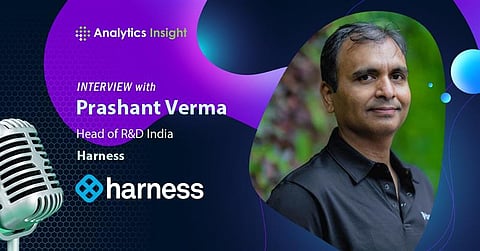
In a recent episode of the Analytics Insight podcast, host Priya Dialani spoke with Prashant Verma, Head of R&D India at Harness, about this major shift. As AI adoption accelerates across engineering teams, the conversation explored how software delivery is evolving from traditional DevOps practices to AI-powered ecosystems.
The discussion focused on how artificial intelligence is transforming the Software Development Lifecycle (SDLC). The discussion highlighted that the real question today is not whether AI should be used in development, but how effectively it can improve quality, security, speed, and overall business impact.
Harness operates as a modern AI-powered software delivery platform. Founded in 2017, the company supports over 1,000 customers worldwide and continues to grow rapidly. Its mission is to help millions of software teams deliver code quickly, reliably, efficiently, and securely.
The platform focuses on four main areas: DevOps, Testing, Security, and FinOps. While AI has increased coding speed by three to four times, much of a developer’s time still goes into testing, security checks, and deployment. Harness works to solve this remaining gap.
With over 25 years of experience, Prashant Verma has worked across enterprise systems, e-commerce platforms, and global technology companies.
Since joining Harness, he has led the rapid growth of the India R&D center, expanding the team and strengthening AI capabilities. His journey reflects a blend of large-scale enterprise knowledge and consumer-scale innovation.
The conversation emphasized that AI should support developers, not replace them. AI tools can reduce manual effort by 30–40%, allowing engineers to focus on design and decision-making. At the same time, governance and strong review systems remain essential to ensure safe and reliable outcomes.
The episode concluded with a clear message: AI-powered software delivery is becoming the new standard, and organizations that adapt early will lead the future of digital innovation.
