.png)

Technology is evolving faster than ever, but its real impact lies in how it reshapes human behavior, not just industries. From the rise of open source innovation to the transformative potential of edge AI, emerging technologies are becoming more accessible, integrated, and influential.
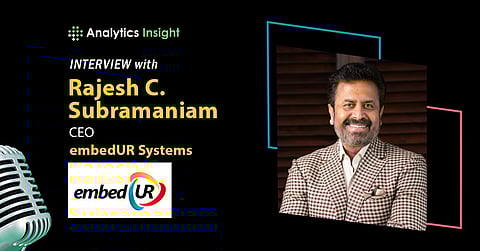
In this episode of the Analytics Insight Podcast, host Priya Dialani speaks with Rajesh Subramaniam, CEO of embedUR systems, about how technology has evolved over the past two decades and what lies ahead. The conversation explores AI, connectivity, open source innovation, and the shifting relationship between humans and machines. Here are the excerpts from the interview:
A: embedUR systems was founded in 2004 with a focus on embedded software and connectivity for edge devices. Over the past two decades, we’ve partnered with global technology leaders to build software powering IoT systems, networking, and next-generation platforms. More recently, we’ve led initiatives in edge AI through platforms like ModelNova. My role has evolved from hands-on technical work to shaping long-term vision, identifying technology shifts, and building strategic partnerships to drive sustainable growth.
A: The biggest shift was connectivity. Between 2000 and 2025, the internet became the foundational infrastructure for everything, from smartphones to streaming to communication. Devices like the iPhone collapsed multiple functions into one and made us always connected and context-aware. This wasn’t just a technological shift—it fundamentally changed human behavior, how we communicate, consume information, and even define presence.
A: It’s both a boon and a bane. On one hand, it has enabled instant global communication and created entirely new professions like influencers. On the other hand, it has accelerated the spread of misinformation and reduced oversight. The bigger concern is behavioral impact, especially among younger users, leading to overdependence, isolation, and even mental health challenges. The responsibility lies with both platforms and users to ensure more mindful and informed usage.
A: Open source has been a major catalyst. Earlier, companies had to pay licensing fees for software, which limited access. With platforms like Linux, Android, and TensorFlow, innovation became more accessible and collaborative. It reduced barriers for startups and shifted value from owning code to contributing to ecosystems. Without open source, we wouldn’t see AI scaling at the pace it is today.
A: Three things stand out: accessibility, capability, and deployment. AI is now conversational and intuitive, not just hidden behind code. It can perform a wide range of tasks, from writing code to reasoning and summarizing. Most importantly, we are moving toward “physical AI” at the edge, where intelligence is embedded directly into devices. This wave feels less like automation and more like augmentation of human cognition, and we’re only at the beginning.
A: Absolutely. Technology has always outpaced regulation—from the printing press to the internet. The difference now is speed and scale. AI can spread globally in months. The real challenge isn’t just regulation but building ethical literacy. We need collaboration between technologists, policymakers, and businesses to ensure responsible innovation rather than reactive governance.
A: Yes, at a base level. Foundational AI models will become utilities like electricity or bandwidth. However, differentiation will come from domain expertise, proprietary data, contextual application, and edge intelligence. The value will shift from access to intelligence to how effectively it is applied in real-world scenarios.
A: The next 25 years will be transformative, with AI, edge intelligence, and human-machine collaboration reshaping everything. The key is to stay curious, ethical, and long-term focused. Continuous learning and trust-building will matter more than predicting outcomes. Technology will evolve, but human judgment and intuition remain critical. If I had to summarize: build with intelligence, but lead with wisdom.
