.png)

Ten phones grouped by real need, from a first smartphone to a dedicated cognitive-decline device, not a single best-to-worst ranking
A comparison table with a dedicated software support column, plus a short accessibility section covering screen readers, magnifiers, and live captions
Apple's discontinued iPhone SE was replaced with the current iPhone 17e, verified against Apple's active lineup
A confusing phone does more than frustrate an elderly parent. It can cut them off from family, slow down help during a health scare, and even leave the door open to scam callers. The right phone can help solve all three problems while making everyday communication simpler and safer.
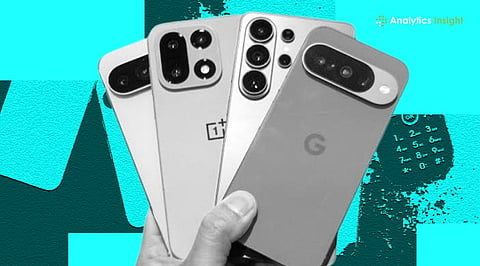
Below are ten simple smartphones that get ease of use, safety, and value right for seniors in 2026, with a side-by-side comparison table and a short guide to help you pick the right one.
Four things matter most: a simple, uncluttered screen, loud and clear audio, a fast way to reach help in an emergency, and protection from spam and scam calls. Battery life and drop resistance matter too, but they support daily use rather than define it. Rankings below weigh ease of use, accessibility, safety features, software support, and value for money in that order. Camera quality and gaming power are not part of the criteria.
Built-in accessibility tools also matter. Features such as screen readers, magnifiers, live captions, voice typing, and hearing aid compatibility make smartphones easier to use for seniors with visual, hearing, or mobility challenges.
Every spec on this list was checked against the manufacturer's own page, and safety and battery claims were confirmed with more than one source. Any claim that could not be confirmed led to that phone being dropped. Price and carrier access across the US, UK, and India shaped the final ten
Best Easy-to-Use Phones for Seniors Compared
Jitterbug Smart5: Best for a first smartphone. The list-based menu, large 6.75-inch display, and one-touch Urgent Response button keep things simple. It only works on Lively's network.
Consumer Cellular IRIS Flip: Best for calling and texting only. The familiar flip design, hearing aid compatibility, and physical buttons keep the learning curve short. There is no access to apps or the internet.
Samsung Galaxy A26 5G: Best for the most balanced smartphone overall, especially in India. Easy Mode, IP67 water resistance, Gorilla Glass Victus+, location-sharing SOS, and six years of security updates combine accessibility, durability, and long-term value. It costs more than entry-level Android phones, but the extra years of support close the gap.
Samsung Galaxy A17: Best for a budget-conscious senior who still wants a modern experience. Easy mode, a large bright display, and steady performance keep navigation simple at a lower price than the A26, though durability drops a step.
Google Pixel 10a: Best for long-term security. Seven years of updates, crash detection, live captioning, and a clean Android interface make for a secure, accessible phone, though it has no dedicated easy mode.
Apple iPhone 17e: Best for a family already using Apple devices. Siri, FaceTime, and Family Sharing ease of communication, and Apple's accessibility tools remain among the strongest available. It costs more than comparable Android phones but fits naturally into an Apple household.
Moto G 5G: Best for an affordable Android phone for everyday use. The clean interface, large display, and reliable battery handle calls, messaging, and WhatsApp well, though software support runs shorter than on premium models.
Chatsie Phone: Best for a senior who reads text more easily than icons. Text-based menus, adjustable fonts, and a dedicated support line make this one of the most accessible phones here, though it limits advanced features.
Xiaomi Redmi A5: Best for the lowest-cost smartphone without losing essential usability. A simplified home screen, dependable battery, and easy navigation suit a first-time user, with shorter software support than Samsung, Google, or Apple.
RAZ Memory Cell Phone: Best for cognitive decline. The photo-contact interface removes navigation entirely, so a single tap starts a call, and the phone works with any carrier. It offers fewer general features than the rest of this list.
Prices are approximate. They may change by region and retailer.
For any senior with difficulty using a touchscreen, begin with the Jitterbug Smart5 or the IRIS Flip. If they are already capable of basic apps, the Galaxy A26, A17, or Moto G has scam protection capabilities that the majority of senior phones lack. In the case of long-term software support, the Pixel 10a or the iPhone 17e will last for years longer than the cheaper Android phones. When it comes to memory loss, go with the RAZ Memory Phone over any other.
The best phones for seniors are not necessarily the latest or most powerful. Taking the usability, accessibility, reliable safety, and software support into consideration is far more important than flagship specifications. A senior who is confident with the technology will benefit from improved communications, giving independence and peace of mind to the user and family. As smartphones become more advanced, there are more useful and accessible options for older people than ever before.
Also Read: How to Choose the Right Foldable Phone in 2026: An Expert Buyer's Guide
Also Read: Android vs iPhone: Which Operating System Dominates the 2026 Smartphone Market?
The best smartphone for seniors depends on individual needs. Models with simple interfaces, large displays, long battery life, and accessibility features, such as Samsung Galaxy A series, Google Pixel, and iPhones, are among the top choices.
Seniors should look for large, bright screens, adjustable text sizes, loud speakers, long battery life, emergency SOS features, voice assistants, and easy-to-navigate interfaces for a better user experience.
Both are suitable for seniors. Android phones often provide customizable accessibility settings and affordable options, while iPhones offer a user-friendly interface, excellent accessibility tools, and long-term software updates.
Yes. Many mainstream smartphones include accessibility features like Easy Mode, larger icons, voice controls, and hearing assistance, making them practical alternatives to dedicated senior phones.
Consider the user's comfort with technology, display size, battery life, accessibility features, software support, and budget. Choosing a phone that balances simplicity with essential features ensures a better long-term experience.
