.png)

WhatsApp may soon introduce a 15-minute auto-delete messages feature to improve user privacy and control. The update could allow messages to disappear quickly. It is expected to offer better chat management while aligning with the growing demand for secure conversations.
WhatsApp is working on a major privacy upgrade for its disappearing messages feature. It could allow users to automatically delete a new message shortly after being read. The new feature, called "After reading", was spotted by WABetaInfo in the latest beta build of the app.
The message will disappear after 15 minutes from both the sender's and receiver's chats. However, if it is left unread, the message will continue to be in the chat for 24 hours, after which it will automatically vanish. Users will reportedly have the flexibility to turn on the feature on either a per-chat basis or across all conversations.
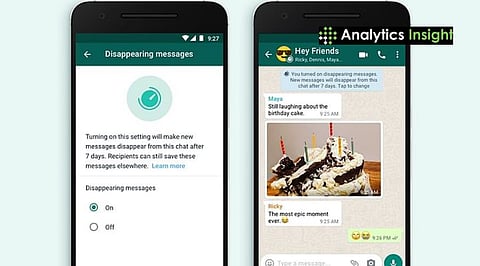
WhatsApp currently allows users to turn on disappearing message timers of 24 hours, 7 days or 90 days. It means that any messages sent to the recipient will disappear within that time frame.
While that time frame is useful for most people, it may not be suitable for sharing sensitive information like a one-time password (OTP), a verification code or any confidential information.
WhatsApp is reportedly working on the "After reading" option to solve this problem. The app will use a strict timer to delete the message almost immediately after the recipient sees it.
People will have the option to either take a screenshot of the message or open the chat and copy and paste it.
Also Read: WhatsApp’s New Logout Option Could Change How You Take App Breaks
According to the WABetaInfo report, this feature will work seamlessly even if users have turned off the read receipts or blue ticks. The system will track when the message is opened, triggering a 15-minute self-destruct countdown on the recipient's phone. It is expected to preserve the privacy of the conversation.
WhatsApp already features a View Once option, which allows users to share a media file for one-time viewing only.
The rise of ephemeral messaging reflects growing demand for privacy and control, with platforms like WhatsApp prioritising short-lived communication as users value secure and temporary interactions over permanent digital records.
Meta has not announced a launch date for this feature.
