.png)

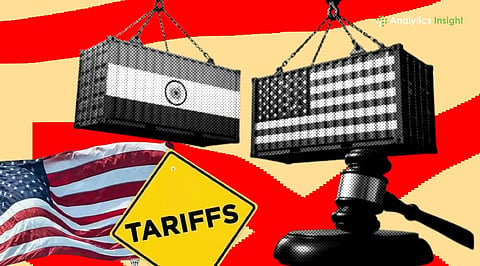
The United States plans to impose additional tariffs on imports from several major trading partners, including India, after a probe into forced-labor import restrictions. The proposed action may raise India's tariff to 12.5%, while some other economies may face a 10% tariff.
The USTR states that 54 economies failed to have an import prohibition in place and to enforce it effectively. This includes India, China, Vietnam, Taiwan, Japan, South Korea, Brazil, Switzerland and the United Kingdom.
Canada, Mexico, the European Union, Ecuador, Indonesia and Pakistan were considered not to have implemented such restrictions effectively and will be subject to a lower 10% tariff.
The proposed tariffs seek to correct what the United States believes to be unfair competition of goods that are manufactured using forced labor in global trade channels.
"The failure of our most important trading partners to address the importation of goods made with forced labor is unacceptable," US Trade Representative Jamieson Greer said in a statement.
"This creates a dynamic where American workers are forced to compete globally on an uneven playing field," he added.
The move has come as part of a broader US trade policy following a series of tariffs that were invalidated by the Supreme Court in February. US officials have since initiated new trade inquiries as a way to impose longer-term import duties.
The proposed tariff plan contains a variety of exemptions. Some products, like beef, coffee, and fruits and nuts, may not be subject to the additional levy. Goods from Canada and Mexico that meet the provisions of the United States-Mexico-Canada Agreement will also be exempt.
Some fabric and clothing items are also proposed to be excluded from the duties.
Written comments are due July 6, and a Section 301 panel will hold public hearings July 7.
The tariff proposal comes from the United States Trade Representative, headed by chief negotiator Brendan Lynch, who is in New Delhi for trade discussions with India. The negotiations are for an interim trade agreement between the two countries.
Darpan Jain, additional secretary in the Department of Commerce, is heading India's team. Key areas of discussion include market access, non-tariff barriers, customs and trade facilitation, investment promotion and economic security cooperation.
The talks follow a February 7 joint framework for the first phase of a proposed Bilateral Trade Agreement. Under the framework, the US agreed to reduce the tariff on Indian goods to 18% and eliminate some of the tariffs associated with India buying Russian oil.
