.png)

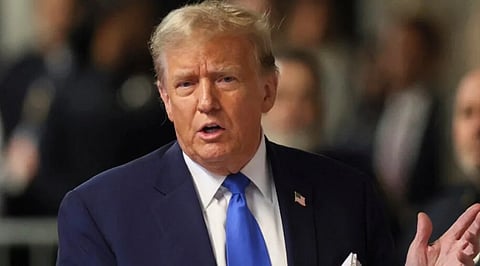
Donald Trump has reportedly accepted an ethics framework for the Digital Asset Market Clarity Act, potentially easing a major dispute in Senate negotiations. However, officials have not yet confirmed the agreement or released its proposed language.
The Block reported the development on July 20 and cited an unnamed industry source. It also credited previous reports from Eleanor Terrett and Punchbowl News reporter Brendan Pedersen.
Neither the White House nor the senators involved had published the framework by July 21. Therefore, the development remains a reported political understanding rather than a completed amendment.
Negotiators have discussed restrictions covering presidents, vice presidents, lawmakers and other senior federal officials. The rules would address profits from digital assets while those officials shape industry policy.
However, the absence of public text leaves the framework’s scope unclear. Negotiators have not explained whether the rules would cover family members, existing holdings or new token launches.
The language may also address promotional activity, licensing income and assets held through trusts. Until lawmakers publish the text, the public cannot assess those possible restrictions. Enforcement details also remain unknown. Lawmakers have not identified which agency would investigate violations, what penalties would apply or whether officials must sell existing assets.
The ethics dispute intensified after Trump released his latest financial disclosures. Senior Senate Democrats said his family’s crypto ventures generated about $1.4 billion of his income during 2025.
Democrats raised concerns that digital asset legislation could expand the reach or value of crypto businesses linked to senior officials. They have called for stronger conflict-of-interest safeguards.
Trump rejected this argument during a July 2 CNBC interview reported by ABC News. He said his children manage his businesses and maintained that the income involved ‘nothing illegal.’ The White House has also said Trump does not manage his companies’ daily operations. Critics argue that transferring management duties does not automatically remove his financial interest.
Also Read: Donald Trump’s Crypto Income Raises Ethics Hurdle for CLARITY Act Vote
The House passed H.R. 3633 on July 17, 2025, by a 294-134 vote. The Senate Banking Committee advanced its version on May 14, 2026, by 15-9. The legislation would divide crypto oversight between the Securities and Exchange Commission and the Commodity Futures Trading Commission. It would also establish federal rules for exchanges and other intermediaries.
Senate leaders had not announced a floor vote by July 21. The Senate’s August state work period starts August 10, which leaves lawmakers a narrow legislative window.
Even with an ethics agreement, lawmakers still face disputes over decentralized finance, illicit-finance controls and developer protections. They may also revisit how regulators divide their authority.
The next major step involves publishing revised legislative text. This release would reveal whether negotiators converted the reported agreement into enforceable provisions with enough bipartisan support. If the Senate changes the House version, the House must approve those changes or negotiate a common bill. Both chambers must pass identical language before sending it to Trump.
Trump’s reported acceptance of a crypto ethics framework may ease Senate negotiations over the CLARITY Act, but the agreement remains unconfirmed and unpublished. Lawmakers must release the text, settle broader policy disputes, secure bipartisan support, and schedule a floor vote before the proposal can advance.
