.png)

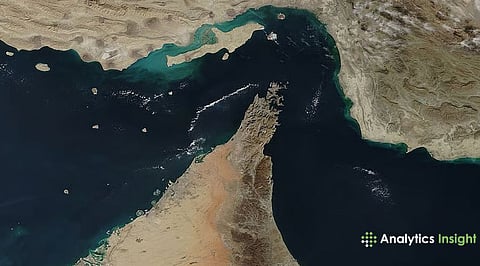
Reopening the Strait of Hormuz may not bring a quick return to normal shipping or lower oil prices. Loaded vessels can leave once passage resumes, yet empty ships also need to return to the Gulf to keep trade moving. Analysts say shipowners, operators, and insurers still need proof that any ceasefire can hold before regular traffic resumes.
Ships waiting inside the Gulf include oil tankers, container vessels, and cargo carriers holding fertilizer and refined products. Even if a wider reopening starts, most early movement is likely to be outbound. Trade data cited by market watchers shows many more loaded tankers are waiting to leave than empty tankers are ready to enter.
Matt Smith of Kpler said confidence remains low among ship operators. He said, “almost nobody is confident enough to pass through the strait,” while daily tanker traffic has dropped sharply from normal levels. A short ceasefire may allow some cargo to exit, but it does not solve the lack of inbound ships needed for the next round of loading.
Peter Tirschwell of S&P Global Market Intelligence gave a similar view for container shipping. He said many container ships are waiting to leave the region, while almost none are preparing to enter. Without inbound vessels, Gulf exports such as fertilizer and industrial resins remain stuck even after some ships depart.
Also Read: FTSE 100 Live: Index Holds Near 10,600 as Oil Surge and Mixed Global Cues Shape Market Sentiment
Shipping companies do not only look at whether the route is technically open. They also examine war risk, insurance terms, crew safety, and the chance of being stranded inside the Gulf. Lale Akoner, global market analyst at eToro, said “a two-week ceasefire and a ceasefire that’s fragile” would not provide the confidence ship operators need.
Insurers play a central role in that decision. Tankers and commercial cargo ships cannot re-enter high-risk waters unless owners can secure cover at workable terms. If the ceasefire appears weak, owners may keep vessels away from the Gulf even after loaded ships begin to exit.
Diplomatic efforts have also failed to calm the market. Talks in Islamabad ended without a deal, while disagreement over the Strait of Hormuz and nuclear issues remained unresolved. With no durable agreement in place, freight markets continue to treat the route as unstable.
Oil prices remain elevated because the market is reacting to physical supply pressure. The Strait of Hormuz handles a large share of global oil and LNG trade, so any long disruption quickly affects inventories, refining schedules, and fuel costs. Market participants are now watching vessel flow more closely than diplomatic statements.
Even after a reopening, producers in the Gulf may need time to raise output again. Smith said output slowed because there was no place to store or ship fresh volumes during the disruption. Oil exporters are used to moving cargo quickly, so restarting normal loading cycles depends on having enough tankers back in position.
Also Read: Crypto Prices Today: Bitcoin at $71,897 Amid US-Iran Tensions; Oil Surges Toward $98, HYPE Jumps 5%
Analysts say a gradual reopening could still leave oil flows below normal for weeks or months. Smith said it could take until July for oil movement to normalize, even if the passage reopened immediately. For the market, lower prices will likely depend on steady two-way traffic through the strait, not only on a formal ceasefire or a brief diplomatic pause.
