.png)

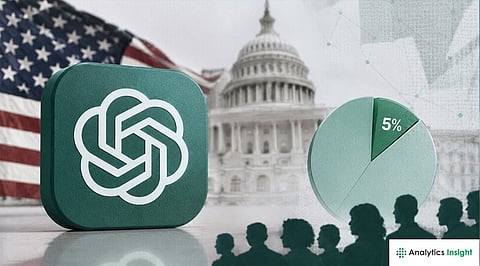
OpenAI is reportedly discussing a proposal that would give the US government a 5% stake in the company as Washington increases its involvement in the artificial intelligence sector. According to reports, the proposal is still at an early stage and has not been finalized.
Meanwhile, the reported discussions come as leading AI companies prepare for public listings and continue working with US officials on national security and AI policy. The proposal also follows recent comments from President Donald Trump about giving Americans a share in the future growth of AI companies.
According to the Financial Times, OpenAI executives have discussed a plan that would allow the US government to hold a 5% equity stake in the company. The report stated that similar arrangements could also apply to other leading American AI companies, although it remains unclear whether those firms support the proposal.
The discussions reportedly remain in the early stages. OpenAI and the White House had not responded to requests for comment at the time the reports were published. Based on OpenAI's latest funding round in March, a 5% stake would be valued at about $42.6 billion.
According to the report, OpenAI CEO Sam Altman believes public participation in AI's financial gains could help address growing concerns over how the technology may reshape jobs and the wider economy. In April, OpenAI also proposed creating a ‘public wealth fund’ that would ‘provide every citizen – including those not invested in financial markets – with a stake in AI-driven economic growth.’
The Financial Times also reported that Altman discussed the proposal with President Donald Trump, Commerce Secretary Howard Lutnick, Treasury Secretary Scott Bessent, and Senator Bernie Sanders. Any final arrangement could require approval from Congress before becoming law.
The reported proposal comes as OpenAI and AI developer Anthropic continue preparing for future stock market listings. Public offerings would allow investors to buy shares while also requiring both companies to provide greater financial disclosure.
Meanwhile, US officials have increased oversight of advanced AI systems. Government agencies have reviewed new models before their public release, citing national security and safety concerns.
According to previous reports, Anthropic recently worked with US officials before export restrictions on one of its advanced AI models were removed. OpenAI has also reportedly faced requests from the White House to limit access to an upcoming GPT-5.6 model to selected government-approved partners during its initial rollout.
These developments reflect broader cooperation between AI companies and federal agencies as governments seek greater involvement in managing rapidly advancing AI technology.
Last month, President Trump said his administration was exploring ways for the public to benefit directly from the growth of leading AI companies. He told reporters the White House was considering different partnership models that could give the government a financial interest in the industry's future.
According to the Financial Times, one proposal would place government-owned AI shares into a fund modeled on the Alaska Permanent Fund. That state investment fund manages revenue from Alaska's oil resources and distributes annual dividends through state programs.
Meanwhile, government investment in strategic technology companies has expanded during Trump's second term. Last year, the US government acquired a 10% stake in Intel as part of broader efforts to strengthen domestic technology leadership.
OpenAI has not confirmed whether the reported proposal will move forward. For now, discussions remain preliminary while policymakers and AI companies continue negotiations over future ownership models, regulation and public participation in the sector's growth.
Also Read: Google vs OpenAI and Anthropic: Who Will Lead the Next AI Cybersecurity Battle Globally?
