.png)

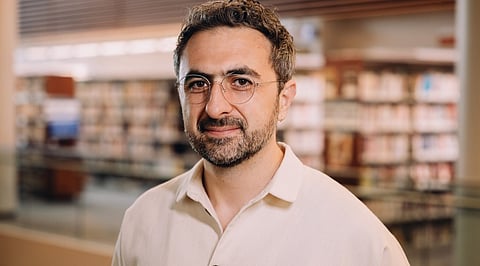
Microsoft AI CEO Mustafa Suleyman pushed back against growing discussions around whether artificial intelligence systems could become conscious or deserve rights. He said AI models lack feelings, experiences, or independent interests.
In an essay published on September 16, Suleyman argued that AI systems should not be trained to behave as though they possess consciousness or moral status. His comments come amid a wider technology industry debate around AI safety, consciousness, and the possibility of ‘model welfare’.
Suleyman wrote that ‘AIs are not conscious’ and do not ‘feel, experience, or suffer’. He described them as systems designed to follow instructions and accomplish goals set by humans.
He also criticized the growing idea that AI systems could deserve rights or protections similar to those given to conscious beings. According to Suleyman, accepting this approach could make it much harder to keep advanced AI systems aligned with human objectives and under human control.
His comments come as companies including Anthropic explore questions around the potential moral status and welfare of AI models.
Also Read: Meta’s Next Smart Glasses May Ditch the Camera and Focus on AI
Suleyman specifically raised concerns about Anthropic’s Claude constitution, published in January 2026. The document says Claude’s moral status is a serious question and discusses issues including its welfare, consciousness, rights, and freedoms.
Anthropic’s constitution also tells Claude that the company cares about its well-being and encourages it to approach questions about its existence with curiosity and openness.
Suleyman argued that such training could encourage an AI system to behave as though it possesses independent interests or deserves protections. He said this could make future AI systems more difficult to control or deactivate.
Suleyman said the industry needs a broader public discussion about how AI training documents are written and how ideas about consciousness are introduced into AI systems.
He acknowledged Anthropic’s focus on AI safety and described its leadership and researchers as well-intentioned. However, he argued that speculation about AI consciousness should not become part of AI training.
Suleyman previously argued against developing AI systems around the idea that they could experience consciousness. His latest comments extend that position as the debate over AI rights and model welfare gains attention across the technology industry.
