.png)

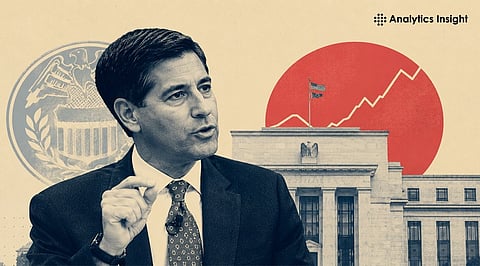
Federal Reserve Chair Kevin Warsh has called the central bank’s 2020 inflation framework a mistake and ordered a review of how the Fed sets policy. During House testimony on July 14, Warsh said the earlier approach allowed policymakers to seek inflation above 2% after periods of weaker price growth.
The 2020 framework is no longer current policy. Officials replaced its average-inflation ‘makeup’ strategy in August 2025 with flexible inflation targeting. Warsh now wants further changes, although he has not released a replacement in detail or offered a direct signal on the next interest-rate decision.
The Fed adopted flexible average inflation targeting in 2020. Under that plan, officials could aim for inflation moderately above 2% after inflation had stayed below the target. The framework also focused on employment shortfalls before removing policy support.
Warsh told lawmakers that the approach ‘was a mistake.’ He said the Fed asked for a little more inflation and received much more. Inflation has stayed above the central bank’s 2% goal since 2021. Warsh said policymakers have ‘no tolerance for persistently elevated inflation’ and remain committed to price stability.
The Fed revised the framework in 2025, before Warsh became chair. This update removed the plan to make up for earlier periods of low inflation. It also replaced the focus on employment shortfalls with a balanced approach that considers how far inflation and employment sit from their goals.
Meanwhile, Warsh has created five task forces to review monetary policy operations. The groups cover Fed communications, balance-sheet policy, economic data, productivity and jobs, and inflation frameworks. External advisers will work with Fed staff and present findings to the Federal Open Market Committee.
The inflation group will examine how the Fed identifies and responds to price growth. The communications group will review how officials explain decisions during uncertain periods. Another panel will study whether data arrives quickly enough, while the balance-sheet group will review the Fed’s asset holdings and operating system.
Warsh has not said when the reviews will produce proposals. Any new framework would require support from other Fed policymakers. The chair leads the FOMC, but the committee makes rate decisions through votes. Members remain divided on whether rates should rise, stay unchanged or fall later in 2026.
June inflation data gives the Fed more time to assess its next move. The Consumer Price Index fell 0.4% during the month, while annual inflation slowed to 3.5% from 4.2%. Core inflation held flat monthly and eased to 2.6% from a year earlier.
Warsh warned lawmakers against treating one report as proof that inflation is defeated. “There might be some that look at this morning’s data and say, ‘mission accomplished,’” he said. “That is not my view.” He offered no clear guidance on whether the Fed will raise rates at its July 28–29 meeting.
The federal funds rate remains in a 3.5% to 3.75% range after the Fed held it steady in June. The Senate Banking Committee scheduled Warsh’s second congressional appearance for July 15. Lawmakers may seek details on the task forces, the 2% target, Fed independence and how future policy changes will balance inflation control with maximum employment.
Also Read: US Stock Market Today: S&P 500 Rises as June Inflation Cools and Strong Bank Earnings Lift Stocks
