.png)

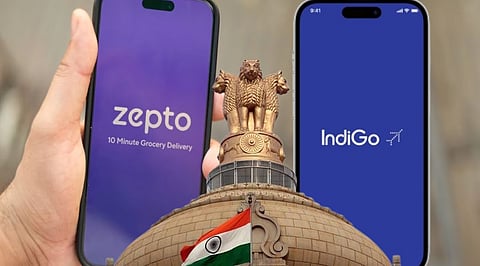
The Central Consumer Protection Authority (CCPA) intensified its crackdown on deceptive digital practices by penalising Zepto, BookMyShow, IndiGo, Physics Wallah, FirstCry and SpiceJet. They have also penalised nine online platforms.
The regulator collected nearly Rs. 20 lakh in penalties after finding that these companies used ‘dark patterns’ influencing consumer decisions during online transactions. The government shared the details in a written reply in the Rajya Sabha, saying it has strengthened measures to protect consumers in the digital marketplace.
Quick commerce platform Zepto Marketplace received the highest penalty of Rs. 7 lakh. The CCPA found that the platform offered low prices upfront. However, handling costs and membership charges were added during final payment. The regulator classified the hidden handling charges as drip pricing, and the automatic addition of membership as basket sneaking. As per the government, Zepto has stopped these practices on its platform.
Physics Wallah was fined Rs. 5 lakh. This came after the regulator found that a Rs. 10 donation to its foundation was pre-selected by default. The CCPA also objected to mandatory disclosure of personal information before accessing free courses. The company has discontinued the practices after regulatory intervention.
IndiGo faced action over confirmed shaming. Its app earlier displayed the message ‘No I will take risk' when customers declined an add-on. The airline later replaced it with a neutral opt-out option.
The enforcement is based on the Guidelines for Prevention and Regulation of Dark Patterns, 2023. This prohibits 13 dark patterns such as drip pricing, basket sneaking, false sense of urgency, subscription traps and confirmed shaming. The government also reminded Parliament that the CCPA had issued an advisory in 2025 asking e-commerce platforms to conduct self-audits and eliminate such practices.
The latest enforcement signals that regulators are moving beyond issuing advisories and are now taking direct action against companies that fail to ensure transparent and fair digital experiences.
Also Read: India Faces Lower AI Job Disruption Risk: World Bank
