.png)

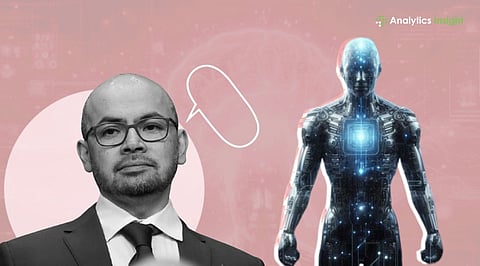
Google DeepMind CEO Demis Hassabis has asked world leaders to move quickly on AI safety. He believes Artificial General Intelligence, or AGI, may become real within the next few years. So, he has mentioned that countries should not wait to create rules for powerful AI systems.
In a recent essay, Hassabis said the world still has time to prepare, but the window is limited. He called for an international group that can test advanced AI models before they are released. According to him, AI has the power to change the world in many positive ways, but it also needs clear limits to mitigate potential risks.
AGI is different from the AI tools people use today. Current AI can do certain tasks, such as writing, coding, or answering questions. AGI is expected to handle many different tasks, learn on its own, and solve problems much like a human can.
Hassabis believes this kind of AI is getting closer every year. In a recent blog, he mentioned that the introduction of AGI is just ‘a few short years away.’ So, according to him, governments, researchers, and tech companies must work together and not compete to invest in building stronger AI systems without checks.
In his latest blog, he has argued that urgent action is needed to address risks that might arise as we get closer to AGI. “We've already seen the challenges frontier models pose for cybersecurity, and other threats, including nuclear and bio risks, may soon emerge as capabilities continue to advance,” he said.
How AI will evolve in the coming years is still unknown. Even experts and analysts agree that it’s the scariest part of the AI era. To reduce these risks, the Google DeepMind CEO wants powerful AI systems to undergo independent safety testing before they become available to the public.
Also Read: Nobel Winner John Jumper Leaves Google DeepMind After Nine Years to Join Anthropic
The AI industry has focused on making models faster and more capable. However, many experts now believe safety should get the same attention. As AI becomes smarter, the damage from mistakes or misuse can also grow.
Hassabis says rules should be made before problems appear, not after. He believes global safety standards can help companies build AI more responsibly. Strong testing, regular reviews, and shared rules can make new AI systems safer while still allowing progress.
AI is evolving faster than ever, with many countries still racing to catch up. Governments need better laws to address new technology. Businesses need to be more cautious about AI use rather than just rushing ahead. Schools and colleges need to help people learn the skills that are needed for the AI-driven future. At the same time, cybersecurity teams will have to prepare for new threats that advanced AI may bring.
Hassabis said that the world still has a chance to get ready. However, it may not last for long. If countries work together now, they can enjoy the benefits of AI and protect people.
