.png)

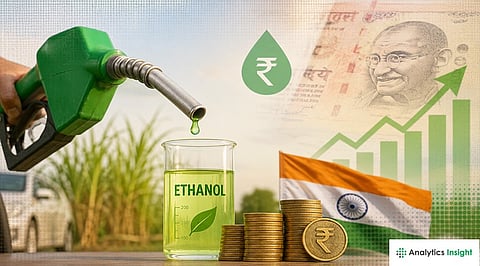
The Indian government has once again defended its ethanol blending program. According to the government, the scheme has helped India save nearly Rs. 1.9 lakh crore in foreign exchange by reducing the amount of crude oil the country imports.
The statement comes as more fuel stations begin supplying E20 petrol across India. While the program has moved ahead steadily, it has also faced questions from some industry experts and vehicle owners. Many want to know how higher ethanol blends will affect older vehicles and fuel efficiency.
The government says the bigger picture should not be ignored. It believes the program is helping both the economy and the country's energy needs.
The Ethanol-Blended Petrol, or EBP, program mixes ethanol with petrol before it reaches fuel pumps. Ethanol is produced from crops such as sugarcane and maize. Thus, it reduces the need for imported crude oil.
According to the government, this has helped India save about Rs. 1.9 lakh crore in foreign exchange over the period of 2014-15 to 2026. Additionally, the program has led to a net CO2 reduction of approximately 930 lakh tonnes. Officials also say between 2014-15 and 2020-21, the Indian government has disbursed about Rs. 14,600 crore in subsidies to sugar mills.
In this announcement, GEMA President C K Jain added, “The result showed that E20 is safe for all engines.” Then it was executed and implemented after technical studies, pilot projects, policy discussions, and not in haste.”
The government believes this will reduce India's dependence on imported oil and make the country less vulnerable to global fuel price swings.
India imports most of the crude oil it needs to produce petrol and diesel. These imports are paid for in foreign currency, mainly US dollars. When the country imports less crude oil, it spends fewer dollars. This is where the reported savings come from.
In simple terms, less money leaves the country to buy oil. Those savings help reduce pressure on foreign exchange reserves and can make the economy stronger when global oil prices rise. While people may not notice these savings directly at the fuel pump, they can still benefit the country over time by reducing import costs.
Also Read: Electric vs Petrol Cars: Which Offers Lower Running Costs in 2026?
The timing of the announcement is important. The rollout of E20 fuel has brought fresh debate over vehicle compatibility, mileage, and maintenance costs. Some experts have also questioned whether the shift should happen more slowly.
While emphasizing savings, the government is attempting to demonstrate that ethanol blending is not simply about changing the fuel. The program is helping reduce oil imports, support farmers, and improve energy security.
With India’s continued push for E20 fuel, the debate is likely to continue. For now, the government wants the focus to be on the long-term wins, not the short-term worries.
