.png)

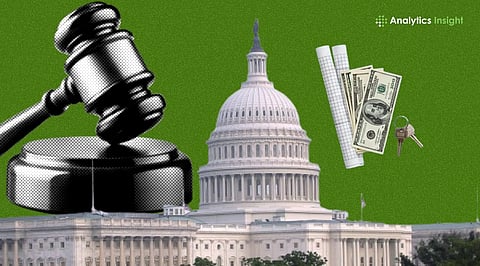
The Senate passed H.R. 6644 on Monday by an 85-5 vote, advancing a major housing bill that also blocks a central bank digital currency, or CBDC. The measure now heads to the House, where leaders may move quickly after the chamber returns from recess on June 23.
The 21st Century ROAD to Housing Act combines housing policy with a CBDC ban. It aims to increase housing supply and improve affordability while limiting corporate landlords from dominating the market.
Last week, senators and House representatives released an updated version that reflected bipartisan, bicameral agreement. House Financial Services Chairman French Hill said the bill makes progress toward building more homes and lowering costs for families.
The Senate vote gave the package a wide margin. It cleared the 60-vote threshold with ease and then advanced with broad support from lawmakers on both sides.
The bill includes language that would stop the Federal Reserve from issuing or creating a CBDC. It also bars any digital asset “substantially similar” to a CBDC through Dec. 31, 2030.
Why attach a digital currency ban to a housing bill? Supporters used a must-pass legislative vehicle to move a provision that stalled as a standalone measure.
House Republicans pushed for the anti-CBDC language, according to earlier reporting by journalist Eleanor Terrett. The move follows a broader strategy of pairing unrelated policies with legislation that already has momentum.
Attention now turns to the House, where leaders reportedly considered an expedited vote as soon as the chamber returns. If the House approves the bill without changes, it will go to President Trump for final approval.
The administration has already taken a firm stance against CBDCs. Last month, Treasury Secretary Scott Bessent said CBDCs are off the table and pointed to the Clarity Act as a priority.
The Senate vote also caps a multi-year push that started at the state level. South Carolina recently passed an anti-CBDC law protecting self-custody rights, while North Carolina overrode a veto to oppose a federal digital currency in late 2024.
Read More: South Carolina Passes Crypto Law for Payments, Mining, and CBDC Ban
Earlier this year, Trump signed an order barring federal agencies from developing or promoting a CBDC. The new bill would turn that directive into law and make it harder for a future administration to revive the project before 2030.
The crypto industry has followed the bill closely as a federal CBDC ban removes a possible rival to private stablecoins. It also separates decentralized money from a state-controlled digital currency. Will the House keep the CBDC ban intact?
The Senate approved H.R. 6644 in an 85-5 vote, advancing a housing affordability package that also prohibits a U.S. CBDC through 2030. The bill now moves to the House, where lawmakers could fast-track approval before sending it to President Trump for final consideration.
