.png)

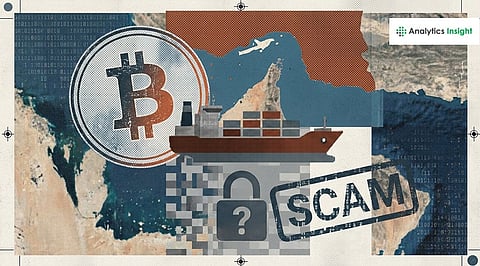
Shipowners near the Strait of Hormuz are facing a new threat, as scammers impersonate Iranian authorities and demand Bitcoin or USDT for safe passage. Greek maritime risk firm MARISKS said the messages are fraudulent and warned that at least one vessel may have acted on the false instructions before coming under fire.
The warning adds a crypto-related layer to an already dangerous shipping corridor. Traffic through Hormuz remains heavily disrupted, while shipowners, crews, and insurers try to navigate changing security conditions. MARISKS revealed that the scam messages did not come from official Iranian sources and urged firms to treat them as fraud.
MARISKS issued its alert on Monday after several shipping companies received messages offering clearance through the Strait of Hormuz in exchange for cryptocurrency payments. The fraudulent note told operators to submit documents for review before Iranian security services would set a fee in BTC or USDT. MARISKS said the language was part of a scam and not an official directive.
The fraud gained traction because it matched the current conditions in the Strait. Iran has discussed charging vessels for transit during the crisis, and shipping companies have had to deal with inspections, delays, and shifting access rules. In that environment, a crypto payment request could appear believable to operators under pressure to move stranded ships and cargo.
MARISKS said it believes at least one vessel that attempted to exit the strait during a brief reopening on April 18 may have fallen for the fraud. The firm linked the case to a ship that later faced gunfire while trying to transit the waterway. Public reporting has not confirmed the payment trail, but the timing has raised concern across the maritime sector.
A maritime advisory issued on April 19 said Iranian forces attacked several vessels using the northern route through the Strait of Hormuz on April 18. The advisory said naval units made aggressive bridge-to-bridge calls and maintained enforcement activity in the area. These incidents show how quickly a fake clearance message can influence routing decisions in an active conflict zone.
Also Read: How Close is Solana to Overtaking Bitcoin?
The Strait of Hormuz remains one of the world’s most important energy routes. Before the conflict disrupted normal traffic, roughly one-fifth of global oil and liquefied natural gas moved through the chokepoint. Hundreds of ships and about 20,000 seafarers remain stranded in the Gulf as operators wait for a reliable transit window.
For shipping firms, the main danger no longer comes only from naval action. False digital instructions now also shape movement in the corridor. The scam shows how bad actors can exploit wartime confusion, use crypto payment demands to create credibility, and push civilian vessels into direct physical danger.
