.png)

The electric vehicle market has undergone a historic transformation. Tesla's dominance in the green revolution for years has finally reached its end, with 2026 signalling a major power shift. With Europe’s key markets based in Germany and the UK, leadership has now changed.
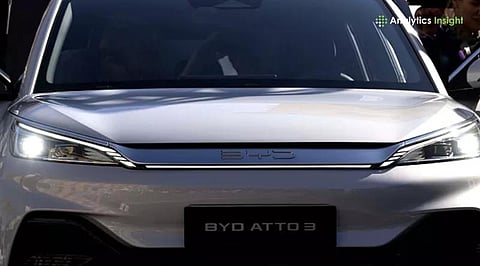
As China’s BYD surpassed its US rival in sales volumes, this move marks an important milestone in buyer behavior. While Tesla focuses on a self-driving future, BYD has taken control of the current requirements with a varied, value-driven lineup.
Is this simply a short-term rise or the long-term “Toyota-style” era of EVs? The data shaping this transition tells the full story.
Europe’s biggest automotive hub in Germany has become unstoppable with BYD’s exponential growth. Data from the Federal Motor Transport Authority (KBA) shows 23,306 registered vehicles in 2025, signaling an eightfold rise from the previous year.
Contrastingly, Tesla’s registrations fell quickly to 19,390 units; this clear turnaround shows how the electric vehicle market shares in Germany and the UK are shifting toward brands offering more options and competitive pricing.
The numbers from the United Kingdom told a similar story of Chinese dominance. Data from the Society of Motor Manufacturers and Traders (SMMT) displays BYD ending 2025 with 51,422 registrations, clearly ahead of Tesla’s 45,513 units. Analysts say the UK’s absence of strict import tariffs on Chinese electric vehicles helped BYD grow quickly, turning the market into a strong opportunity for high-volume, mass-market electric cars.
Industry analysts highlight BYD’s wide product portfolio as a major factor setting it apart in the BYD vs. Tesla EV sales race of 2026. While Tesla depends widely on the aging Model 3 and Model Y, BYD delivers options ranging from the low-cost Dolphin hatchback to the premium Seal sedan.
Stella Li, BYD’s Executive Vice President, recently noted that the company is also planning to double its European sales network to 2,000 outlets by late 2026.
Also Read: BYD Surpasses Tesla in Europe Despite the 30% Profit Drop
BYD’s rise is not just a fluke; it represents a structural shift in how Chinese brands approach the western marketplaces. With localized supply chains and new plants in Hungary and Turkey, BYD has addressed concerns about parts availability and charging support. Its 2026 models offer better in-house battery technology, highly practical for the average European commuter.
Tesla maintains its focus on future autonomy and AI, but BYD’s growth into a high-volume, all-purpose brand has won the driveway battle of today. This move toward value and variety shows the age of a single dominant EV player has clearly ended.
