.png)

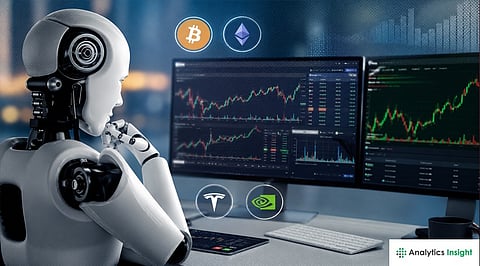
AI trading robots are gaining wider attention as traders seek faster market monitoring and tighter execution. The term now covers scanners, crypto bots, alert tools, and no-code systems across stocks, forex, and digital assets.
Crypto markets move all day and night. Stock markets react fast to earnings, data releases, and sector rotation. Forex also shifts across global sessions. That pace leaves many retail traders short on time.
AI trading robot platforms try to reduce that strain. Some scan markets and flag setups. Others send alerts, suggest trades, or automate parts of execution. A few also help with portfolio checks and rule-based strategy management.
The main value lies in structure. These tools can help traders follow predefined rules and cut down on emotional decisions. They do not remove market risk, and they do not promise profit.
Some platforms focus on stock scanning and market research. They help users search many tickers quickly and spot possible technical setups. Day traders and swing traders often use them for faster screening.
Other tools center on chart automation and technical analysis. These platforms can create alerts from indicators, price levels, trendlines, or other conditions. Some also link to brokers or exchanges for automated trades.
No-code AI trading robot platforms have also grown in 2026. These tools aim to lower the technical barrier for beginners. Users can often choose a market, review settings, and activate a strategy from a dashboard.
Read More: If Solana Reaches $400 Again, Analysts Say Ozak AI Could Already Be Trading Above $7
Market coverage comes first. Some platforms support only stocks. Others focus on crypto. A smaller group supports multiple markets, including forex. Traders need a platform that matches the asset they plan to trade.
Automation style really does matter a lot. Some tools only scan markets and provide alerts, while others can test strategies, monitor portfolios, or execute trades automatically. A lot of platforms say 'AI trading,' but the reality is, the way they work can be wildly different, almost unrelated in practice.
How easy it is to use can also change the whole experience. Newer users often prefer intuitive dashboards, guided steps, and controls that read like plain language, not like some hidden manual. If you’re more advanced, you might care about API access, custom rules, and getting deeper control over the strategy itself, not just flipping a simple switch.
Risk controls should stay at the center of it. Before enabling automation, traders should review the position size, exposure limits, stop-loss settings, take-profit rules, and whether there’s a solid pause option when things look weird or off.
Don’t skip backtesting either. It helps users see how a particular approach might have acted under past conditions. It can’t promise what happens next, but it can suggest whether the setup matches trend-following behavior, breakout logic, or a more mean-reversion style of trading.
AI trading robots now cover a wide range of tools. Traders are increasingly focusing on market coverage, automation style, ease of use, risk controls, and backtesting features before adopting automated trading solutions.
