.png)

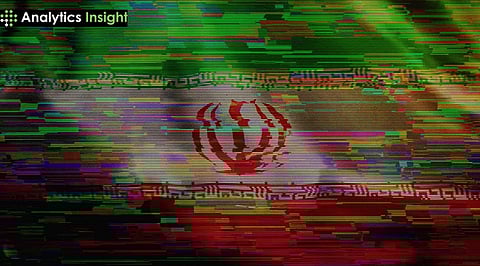
Hacktivist groups have carried out extensive cyberattacks affecting 110 organizations across 16 countries. Security experts monitored almost 150 DDoS attacks over a brief period. The attackers targeted multiple government offices, telecom companies, and public services.
The attacks came during a period of rising tension in global politics, especially in the Middle East. Experts say cyberattacks are now a common reaction to major events. Instead of weapons, groups are using the internet to make their message heard.
Security teams also noticed how quickly these groups acted. They used shared tools and online networks. This made it easier to launch attacks almost at once.
The Middle East saw the highest number of attacks in this campaign. Many organizations in the region faced repeated service outages. Countries like Israel and nearby nations were hit the hardest.
Different hacktivist groups took part in the cyberattacks. Many of them openly claimed responsibility online. They were eager to ensure everyone understood who was orchestrating the chaos. This is common in hacktivism. Visibility is often as important as the attack itself.
Essential services became common targets for attacks. Government portals, communication networks, and public systems were affected. Even short outages can create panic and slow down daily work. That is why these sectors are often targeted first.
Experts say cyber activity in the region is becoming more organized. Groups are no longer working alone. They are planning attacks together across borders.
One big reason is political conflict. Cyberattacks often follow major global events. Hacktivists react quickly. Digital attacks are fast, cheap, and highly visible.
The second reason for this situation stems from expenses. DDoS attacks are simpler to execute than intricate hacking operations. The attacks require only basic skills and common tools to execute. The attacks can still create major operational interruptions.
Technology functions as a contributing factor. Messaging applications, with internet forums, enable groups to establish connections through their platforms. The members can exchange resources and organize their attacks within a few minutes. This enables small groups to conduct extensive operations. All these factors together are driving the sudden rise in cyber incidents.
Also Read: Revealed: NSE Faced Record 400 Million Cyberattacks During Operation Sindoor Drill
This wave of attacks shows how much the world depends on digital systems. When websites or networks go down, daily life is affected. Businesses slow down. Public services stop working. Trust can also be shaken.
The message for governments and companies is clear. Cyber threats are no longer rare events. They are becoming part of modern conflict. Strong security systems and fast response plans are now essential.
The global cybersecurity system is entering a new phase. Attacks are happening more often. They are also happening faster. Preparing for them is no longer optional; it is necessary.
