.png)

Edge computing and local data processing are reducing cloud dependency, allowing smart home devices to continue operating during internet outages.
AI-powered home systems now analyze daily behavior patterns to automate heating, cooling, lighting, and appliance management.
Industry-wide interoperability standards such as Matter and Thread are enabling devices from different brands to communicate seamlessly.
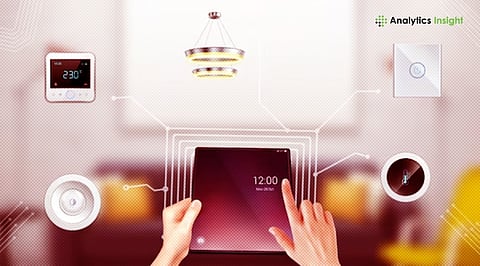
Managing a modern home can feel like a full-time job. You juggle rising energy bills, worry about home security while at work, and try to keep up with daily chores. While early smart gadgets promised to help, they often left homeowners frustrated with a messy clutter of separate apps. Fortunately, the Internet of Things (IoT) has since advanced. Today, smart homes are moving away from isolated gadgets and turning into unified, self-thinking systems.
Let’s explore the top ten practical IoT trends that will make your living space easier to manage. Read on to find easy, budget-friendly tips to start upgrading your living space today!
Traditionally, smart devices had to send data to distant cloud servers to process a command, causing annoying delays. If your internet went down, your smart lights stopped working. Edge computing fixes this by processing data directly inside the physical device in your home. This means your motion sensors and smart locks now react instantly, use less internet bandwidth, and keep working even during an internet outage.
Instead of you manually programming timers, artificial intelligence now learns your daily habits. By looking at when you wake up, cook, or go to bed, your home automatically adjusts itself. For example, your thermostat will lower the heat when you leave for work and warm up the house right before you return, cutting down on wasted energy without you lifting a finger.
The days of opening five different apps to control your home are ending. The latest industry standards have forced brands to work together as a single ecosystem. Now, your security system can integrate with lighting and blinds. When you lock your front door to leave, your lights turn off, blinds close, and security cameras turn on all at once.
Smart beds, pillows, and mattresses now use subtle sensors to monitor your breathing, heart rate, and movement in real time. If the system senses you are tossing and turning because you are too hot, it will lower the bedroom AC temperature. This data helps you make simple changes to get better rest every night.
Bathrooms are getting a much-needed tech upgrade with smart showers that memorize exactly how you like your water. You can turn on the shower using a phone app or voice command, and it will stop running once it reaches the preferred temperature so no water is wasted. They also track water volume and flow rates, helping families monitor and cut down their monthly utility costs.
Modern smart refrigerators do much more than keep food cold. Internal cameras and AI identify the groceries inside the fridge, keep track of expiration dates, and send alerts to your phone. If you are stuck on what to cook for dinner, the fridge can look at your current ingredients and suggest quick, easy recipes so you use food before it goes bad.
Electrochromic smart windows automatically change their tint based on the sunlight outside. On hot summer days, the glass darkens to block out heat. It makes your home cool and decreases the load on your air conditioner. During winter, the glass stays clear to let natural sunlight warm rooms, keeping your energy bills consistently low.
Furniture is becoming highly functional. Wardrobes and dressers can now track how often you wear certain clothes and automatically bring your favorite items to the front. Now, living room couches are also equipped with built-in wireless charging spots, Bluetooth speakers, and voice controls to manage your home theater setup.
Robotic vacuums are already common, but home robotics are expanding into new chores. The latest domestic robots use advanced cameras to move safely around pets and clutter. These machines are built to help with physical tasks like folding laundry, wiping down kitchen counters, and sorting recycling, taking over the repetitive chores that eat up your weekends.
Protecting your home network from hackers is a top priority as billions of devices are now connected worldwide, making them prone to cyberattacks. Current smart devices feature built-in security that protects data from the moment you turn them on. They use strict device authentication. You will also get automatic security updates to make sure your private video feeds and personal habits stay completely safe from outside eyes.
Upgrading the home does not mean you have to spend a fortune or buy everything at once. You can take it one small step at a time. The quick guide below shows how everyday home items are changing to make your life easier:
If you want to start a smart home, do not run out and buy an expensive smart fridge first. Begin with a home Wi-Fi router. Make sure your router is strong enough to handle multiple devices at the same time.
When you are ready to buy your next gadget, like a smart bulb or a plug, look for a ‘Matter’ or ‘Thread’ badge on the box. This is a standard label that guarantees your new purchase will easily integrate with other devices, saving you from tech headaches later.
You do not need to be a computer expert to protect your privacy from hackers. Just follow these two simple steps when setting up any new device:
Change the Password Immediately: Never keep the default password that comes in the box. Create a fresh, unique password right away so strangers cannot access your devices.
Put Your Gadgets on a Separate Wi-Fi Line: Open internet router settings on your computer or phone and turn on a ‘Guest Network.’ Connect all your smart gadgets, like your cameras and TV, to this guest line. This keeps your smart devices completely separate from the main Wi-Fi line you use for private banking and personal emails.
Smart home technology has moved away from being show-off items to building a helpful, invisible ecosystem that works behind the scenes. Now the gadgets are more focused on saving you time and money. By adopting these integrated IoT trends, you can transform your house into a responsive environment that actively reduces daily stress and looks out for your well-being.
Also Read: Top 10 Smart Sensors for Home Safety in 2026
IoT, or the Internet of Things, refers to everyday devices that connect to the internet and share information with each other. In a smart home, this can include lights, thermostats, cameras, speakers, appliances, and locks. These devices work together to automate tasks, improve convenience, and help homeowners manage their living spaces more efficiently.
IoT devices can track how and when energy is used throughout the home. Smart thermostats can adjust temperatures automatically based on occupancy, while smart windows can control heat entering a room. Automated lighting systems switch off unused lights, and connected appliances optimize power consumption. Together, these features help reduce unnecessary energy use and lower monthly utility bills.
Modern smart home devices are much safer than earlier generations because many now include built-in security protections. Features such as device authentication, encrypted communications, and automatic software updates help reduce security risks. Homeowners can improve protection further by using strong passwords and placing smart devices on a separate guest Wi-Fi network.
A strong and reliable Wi-Fi network is usually the best starting point. Once your network is ready, simple devices such as smart bulbs, smart plugs, or smart speakers are affordable entry points. Choosing products that support standards like Matter or Thread can also make future upgrades easier because they are designed to work with a wider range of devices.
One of the most important trends is the move toward unified smart home ecosystems. Instead of managing separate apps for every device, homeowners can now control multiple products through a single platform. Combined with AI-driven automation and local processing through edge computing, this creates a smoother, faster, and more intelligent smart home experience.
