.png)

Wearable alert systems are designed to ensure a seamless user experience and improved accessibility.
One-tap alerts, fall detection, and GPS ensure the safety of senior users during emergencies.
Medical alert devices such as MGMove, the Kanega Watch, and more stand out among others in terms of features, battery life, and lifestyle needs.
Personal safety has evolved over the years, with a growing reliance on hi-tech, minimally intrusive solutions that support independent living. Many people are using medical alert devices that provide comprehensive protection while eliminating the embarrassment associated with traditional emergency buttons.
These newly developed medical wearables enforce life-saving emergency protocols and provide features such as step counting and weather updates. Irrespective of the product you choose, you must ensure that professional help is just a call away.
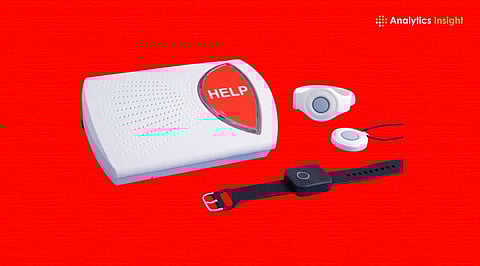
Here are some wearable medical alert devices with the best track record for providing quick emergency assistance, fall detection, and real-time tracking to improve safety and independence.
MGmini Lite from Medical Guardian is a compact device and is worn around the neck. It has a single, noticeable button used in an emergency to connect to a certified monitoring center. The medical system is based on cellular technology and can function even if the user is away from home. Its water-resistant design allows people to wear it even in the shower, a common accident-prone area for the elderly.
Also Read: Jio Launches JioBharat Safety Net Phones for the Elderly and Dependents
SOS smartwatch, a product of Bay Alarm Medical, is especially great for seniors who prefer analog aesthetics. It comes with a bright touch screen and a step counter. The device cleverly hides its safety features in a modern tech design. The smartwatch offers accurate GPS tracking. The person wearing it can be located via a caregiver’s app. On average, the battery lasts a day and can be easily charged using a magnetic cradle.
MGMove is more than just a deluxe smartwatch, as it mainly focuses on the social element. In addition to quickly requesting emergency help, it can be used effortlessly to communicate with loved ones via voice messages. It has a user-friendly design that even people with impaired motor skills can use, with large icons and readable text. During testing, we found that it took about 29 seconds on average to send a distress alert. If you are looking for a device that you can count on in an emergency, this one is really worth considering.
Kanega’s patented ‘hot-swap’ battery concept allows you to keep the watch on your wrist at all times while exchanging old batteries for new ones. It also allows you to call for help with a voice command. For example, if a user falls and is physically unable to press the button, he/she can still call for help.
Lively Mobile2 is a small, integrated medical emergency system that can either be worn as a pendant or attached to a belt. It is considered the best option for seniors who want to stay active. The gadget features fall detection as a standard feature. It runs on Verizon's network, so it guarantees wide area coverage throughout the US. Its simple layout makes it one of the most user-friendly medical alert devices, even when the user is under stress.
Also Read: Top Fitbit Smartwatches in 2026 for Heart Rate, Steps, and Health Tracking
MobileHelp Solo offers a strong mobile support system with the help of AT&T's cellular network. This is a self-sufficient GPS device that does not rely on a home base station, so it is an ideal solution for those who do not have a landline. The gadget comes with an easy-to-use one-button control and a speaker that is both loud and clear for carrying out two-way conversations. The ‘SafeReturn’ feature helps locate people who accidentally wander away due to dementia or other cognitive impairments.
LifeFone VIPx is among the smallest and lightest wearable personal emergency response systems. Despite its small footprint, LifeFone VIPx offers up to 16 days of battery life on a single charge. Along with an optional caregiver app that can show the wearer's location and level of physical activity throughout the day, this gadget is great for someone looking for a "set it and forget it" type of solution without frequent maintenance.
Aloe Care Health Mobile Companion stands out for its motion-activated home hub and a wearable GPS pendant for when the user leaves home. The ‘Smart Hub’ can detect falls at home using radar, even if the person is not wearing the pendant. It is a very effective safety tool for a family that prefers several layers of protection.
WellBe Watch is a digital health assistant that offers emergency monitoring, medication reminders, and even answers health-related questions via a voice assistant. It connects with other HandsFree Health products, like smart scales and blood pressure meters, to provide detailed information about the user's health. This device is a great option for patients with chronic health conditions who are living alone.
Though Apple is not in the traditional medical-alert business, its Series 11 watch has become one of the most recognized devices in this field for various third-party monitoring applications. For example, if the user is connected with a service such as Bay Alarm Medical, the watch's falling detection feature can initiate a call for help to a trained operator without any user input. This alternative would suit tech-savvy elderly people who use Apple products.
The reliability of the monitoring center is the single most important factor when evaluating medical alert systems. Look for companies with the ‘Five Diamond’ certification and highly trained dispatchers, especially for medical emergencies. You should also consider the devices' range. GPS-enabled mobile units are a must-have for those who are not homebound, whereas landline-based systems might be more affordable for those who rarely leave their homes. Battery life is another feature you should check to make sure it matches your lifestyle.
Buying a wearable medical alert system is a wise way to promote a lively, independent way of living. From discreet smartwatches to long-range pendants, the current market provides all types of safety devices. These emergency systems provide you with peace of mind as help is always just a call away.
1. Do medical alert devices require a smartphone?
Most cellular medical alert systems have built-in SIM cards so they don't require a smartphone or even a separate cellular plan to operate.
2. Is automatic fall detection 100% accurate?
Technology is improving, but no system is completely accurate. Sensors usually focus on detecting "hard falls," which means getting hit in the head, falling from a good height, losing balance & speed, etc.
3. Can I wear my medical alert button in the shower?
Most new-generation wearables are waterproof and meant to be used even in the shower or bath, which are the main places where household accidents happen.
4. What happens if I accidentally press the button?
When you accidentally press the button, just inform the operator that it was a false alarm. They will verify your condition and then end the call without sending help.
5. Are there any hidden costs with these systems?
Typical costs are monthly monitoring fees and maybe a one-time equipment fee. Before you subscribe, make sure to ask for activation fees and whether long-term contracts are required.
