.png)

Recognition is a cornerstone of any strong organizational culture. Whether it's a company, school, charity, or association, awards show that hard work, loyalty, and top-notch performance are valued. Glass awards and trophies have become a popular way to recognize these qualities because they're both attractive and meaningful.
Their appeal lies not merely in aesthetics but in symbolism. Glass reflects light, precision, and craftsmanship qualities that mirror the values many institutions seek to celebrate. From executive leadership awards to academic honours and industry recognitions, glass has become the material of choice for organisations seeking both elegance and lasting significance.
Glass awards and trophies are recognition pieces crafted primarily from optical glass, crystal glass, or premium float glass. Businesses usually have them engraved with personal messages, company logos, event names, and the names of the people receiving them.
Unlike plastic or resin trophies, glass awards are valued for their weight, clarity, and permanence. The material shows class while still looking simple and polished.
These days, many organisations favour glass recognition pieces because they balance tradition with contemporary design aesthetics.
The materials used in recognition programs send a message about how seriously achievements are valued. Glass awards offer several advantages that contribute to their continued popularity.
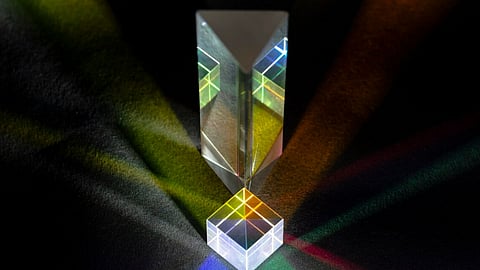
Glass naturally interacts with light, producing reflections and subtle depth. This optical quality allows even simple shapes to appear sophisticated. As a result, glass awards feel appropriate for both formal corporate ceremonies and modern workplace recognition initiatives.
Unlike plaques made from lightweight materials or novelty trophies with detachable parts, glass awards are designed to last. When displayed on desks or shelves, they maintain their clarity and structural integrity for decades.
Experienced professionals often notice that recipients place greater emotional value on awards that feel substantial and permanent.
Glass recognition pieces adapt easily across contexts. They can represent sales milestones, academic excellence, innovation achievements, leadership awards, or community contributions.
Because the material is neutral yet elegant, it integrates seamlessly into almost any professional environment.
Not all glass awards are created equally. The type of glass used influences clarity, weight, and overall presentation.
Optical crystal is widely considered the premium option. It offers exceptional clarity and refractive qualities, creating brilliant light reflections. Awards made from optical crystal often appear almost diamond-like under strong lighting.
These pieces are typically used for executive recognition, corporate leadership awards, and high-profile industry honours.
Jade glass is characterised by its slightly green-tinted edge. It offers a distinctive look while remaining affordable compared to crystal.
Many organisations choose jade glass for employee recognition programs because it balances cost efficiency with visual appeal.
Starfire glass is a low-iron material known for its ultra-clear appearance. It removes the green edge tint commonly seen in standard glass, producing a more transparent finish.
From a design perspective, this clarity enhances engraved text and logos, making the award feel more refined.
Recognition design has evolved significantly in recent decades. Traditional trophies, large figurines mounted on bases, have gradually given way to minimalist forms.
Modern glass awards frequently feature geometric silhouettes such as:
Arches
Flames
Towers
Obelisks
Diamonds
These shapes convey symbolism while maintaining a clean aesthetic.
From a strategic perspective, minimalist designs allow the recognition message itself to take centre stage.
The emotional value of an award often comes from personalisation. Engraving technologies now allow intricate detailing, including logos, typography, and graphical elements.
Common techniques include:
Laser engraving
Sandblasting
Subsurface laser etching
UV printing
Each method creates a slightly different visual effect, ranging from frosted etching to dimensional interior designs.
In an increasingly digital workplace, physical recognition retains a powerful psychological impact.
Digital badges, certificates, and internal announcements serve their purpose. However, tangible awards provide a permanent reminder of achievement.
From a behavioural standpoint, physical recognition reinforces accomplishment through visibility. Employees display awards in offices or homes, extending the symbolic value beyond the moment of presentation.
In real-world practice, recognition programs that combine public acknowledgement with a physical award tend to generate stronger engagement.
Glass recognition pieces are used across a wide range of professional settings.
Companies frequently use glass trophies to recognise sales performance, innovation milestones, and leadership contributions.
These awards often appear in annual meetings, employee recognition ceremonies, and executive leadership events.
Universities, research institutions, and scholarship programs commonly present glass awards to recognise academic excellence and distinguished contributions.
The clarity and permanence of glass reflect the intellectual rigour associated with academic achievements.
Trade organisations and professional bodies often present glass awards during conferences or annual gatherings.
These honours celebrate industry innovation, lifetime achievements, and contributions to professional advancement.
Nonprofit organisations frequently present awards to donors, volunteers, and community leaders. Glass awards communicate appreciation while maintaining a dignified tone appropriate for philanthropic recognition.
Despite good intentions, recognition programs sometimes lose impact due to poor planning.
Awards that feel generic or mass-produced can undermine the significance of the achievement being celebrated.
Recipients value pieces that feel thoughtfully designed and personalised.
Too much text reduces readability and visual impact. Experienced designers recommend concise messages that emphasise the recipient and the achievement.
Awards should align with the tone of the event. A highly formal corporate ceremony may require more refined materials and design compared to a casual internal celebration.
From a strategic perspective, consistency between the recognition program and organisational culture enhances authenticity.
Recognition programs continue to evolve alongside workplace culture.
Modern awards increasingly favour simplicity. Clean lines and uncluttered surfaces emphasise craftsmanship and personalisation.
Organisations are becoming more conscious of environmental impact. Sustainable packaging and responsibly sourced materials are gaining attention within recognition programs.
While physical awards remain central, many organisations now combine them with digital recognition platforms that track achievements across teams and departments.
This hybrid approach allows recognition to exist both publicly and personally.
Organizations that are planning award programs often look at different options to get an idea of designs and materials. Looking at different kinds of edco glass awards and trophies can help people see the styles of shapes, engraving methods, and presentations that are used today. Looking at a range of designs can help leaders match awards with the values of their organisations.
Awards are more than just objects. They represent stories of hard work, leadership, creativity, and working together. The materials used to represent these achievements have their own meaning.
Glass awards stand out because they combine style with lasting value. They reflect values that many organisations want to highlight, while their weight shows respect for the achievement being honoured.
In recognition programs, the best awards are those that balance design, personalisation, and sincerity. When done right, a glass award becomes a lasting reminder of success and contribution.
