.png)

A gold IRA is a legitimate financial product. A self-directed individual retirement account that holds IRS-approved physical precious metals is allowed under U.S. law, and for some investors it is a reasonable slice of a diversified retirement plan. The problem is almost never the product itself. It is the sales machine built around it, and separating the legitimate providers from the predators is the real challenge facing anyone who opens one.
The gold IRA industry is crowded with aggressive marketing, paid celebrity endorsements, and high-commission upsells, and the internet has made all of it easier to scale. Yet the same online channels that let a questionable operator run slick ads and buy glowing reviews also hand you everything you need to check that operator out first. Avoiding a gold IRA scam, in other words, has become a matter of digital due diligence, and anyone can learn the steps.
You cannot spot a fake until you know what the real thing looks like. A properly structured gold IRA involves three separate parties, and that separation is the entire point.
A dealer sells you the metals.
An IRS-approved custodian, usually a specialised trust company acting as a qualified trustee, holds the account and handles the paperwork.
An approved, insured depository stores the physical metal.
No single company should control all three roles. The gold itself also has to meet IRS standards: bullion of at least 99.5 percent fineness, sourced from an accredited refiner and stored in that approved depository, never in your home or a personal safe. Once you understand this structure, most scams reveal themselves as deviations from it.
Bad actors tend to repeat the same handful of tactics. Treat any of the following as a reason to slow down and dig deeper rather than sign.
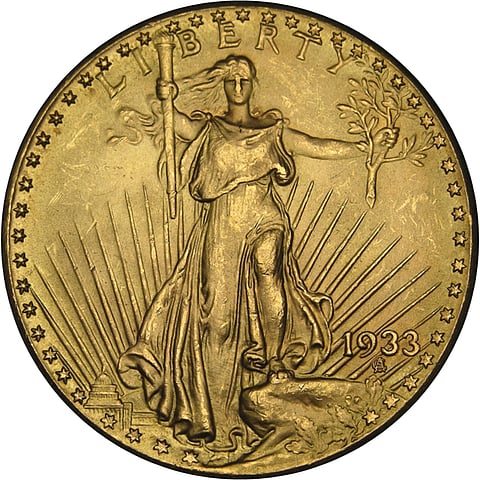
The collectible coin switch. A salesperson steers you away from standard bullion, which carries small premiums, toward “rare,” graded, or numismatic coins that can carry markups of thirty to eighty percent or more. That spread is their profit, and many of those coins are not even IRA-eligible in the first place.
The “home storage IRA” pitch. Any company telling you that you can keep IRA metals at home, or in a personal LLC safe, is misrepresenting the rules. The IRS requires a qualified custodian and an approved depository, and it has reclassified home-storage arrangements as taxable distributions, with penalties to match.
Manufactured urgency. Predictions of imminent dollar collapse, countdown deadlines, and fear-first scripts are designed to short-circuit research. A legitimate firm is happy to let you think it over.
Free-gift promotions. “Get thousands in free silver” offers usually recover their cost through inflated prices elsewhere, or nudge you to over-allocate your savings just to reach a bonus tier.
Fuzzy fees. If a company will not put setup, annual, storage, and markup costs in writing, assume the worst.
Scripted endorsements and flawless reviews. Paid celebrity and talk-radio endorsements tell you nothing about how a company treats its customers, and a wall of identical five-star reviews is a warning, not a reassurance.
Vagueness about custodian and depository. If a company will not name the custodian and storage facility, or resist letting you contact them directly, that is a serious problem.
A thin track record. A brand-new website, no verifiable history, and almost no independent reviews are reasons for caution, especially with your retirement on the line.
The reassuring part is that every one of those red flags can be checked from your laptop in a single afternoon. Work through this checklist before you commit a single dollar.
Start your research on an independent comparison platform. Before you take a single sales call, build your shortlist from a neutral source rather than from whichever ad you happened to click. Independent platforms such as Goldiew let you compare verified Gold IRA companies and read real investor reviews in one place, which turns a market full of paid placements into a list you can evaluate on merit. Beginning here reframes the whole process around evidence instead of marketing.
Run the company past official regulators. Check the Commodity Futures Trading Commission (CFTC) for enforcement actions, read the SEC’s investor alert on self-directed IRAs, search FINRA BrokerCheck for the company’s principals, and look it up in your state securities regulator’s licensing database. A clean record is the floor, not the ceiling.
Cross-check independent complaint records. Look the company up on the Better Business Bureau, the Business Consumer Alliance, and the Consumer Financial Protection Bureau complaint database. Pay less attention to the headline star rating and more to how the company resolves complaints, and whether the same problems keep coming back.
Verify the custodian and depository yourself. Do not take the dealer’s word for it. Contact the named IRS-approved custodian directly to confirm the relationship, and confirm that the depository is IRS-approved and independently insured. If a company will not give you those names, walk away.
Demand transparent, written pricing. Ask for every cost in writing: setup, annual custodian, storage, and, most importantly, the markup over the live spot price of gold. Insist on low-premium, IRS-eligible bullion, and refuse any push toward “rare” or collectible coins.
Test the sales process itself. A legitimate firm will explain the difference between bullion and numismatic coins, offer a direct trustee-to-trustee rollover, provide a written agreement to review before you sign, and let you call back. Pressure, urgency, and “today only” are themselves the warning.
Confirm the buyback policy. Ask what the company will pay to buy the metals back and what the typical spread is. A clear, standing buyback commitment is the sign of a business built for the long term rather than a one-time markup.
None of these steps requires special expertise. They simply require doing the research before the rollover instead of after it.
In a market built on persuasion, verifiable facts are your advantage. Save everything as you go: screenshots of claims, emails, fee schedules, and contracts. Companies that welcome that kind of scrutiny, that answer direct questions without flinching and hand over custodian and depository details on request, are usually the ones worth trusting. The ones that bristle at questions are telling you exactly what you need to know.
The vehicle is sound. The decision that actually protects your retirement is choosing who you buy it from, and that decision rewards patient research far more than gut instinct or a persuasive phone call.
This article is general information and not financial, tax, or investment advice. A gold IRA is not suitable for everyone, and rules and providers change over time, so confirm current IRS requirements and speak with a licensed financial advisor or tax professional before opening an account.
No. A gold IRA is a legal, IRS-recognised type of self-directed retirement account. The risk lies not in the account itself but in some of the companies that market and sell them, which is why vetting the provider matters so much.
No. The IRS requires precious metals held in an IRA to be kept by a qualified custodian in an approved depository. So-called “home storage IRA” arrangements can be treated as a taxable distribution, triggering taxes and possible penalties.
Generally, IRA-eligible gold must be bullion of at least 99.5 percent fineness from an accredited refiner, such as approved bars and certain bullion coins. Most collectible or numismatic coins do not qualify, which is one reason aggressive upsells toward “rare” coins are such a common warning sign.
Start with an independent platform that lets you compare Gold IRA companies and read genuine investor reviews, then verify the company through the CFTC, the SEC, your state regulator, and the Better Business Bureau. Finally, confirm the custodian and depository directly and get all fees in writing.
