.png)

GST registration cancellation can be done online by businesses. The process also takes place through portals.
Timely filing and payment, along with proper documentation, ensure no rejections or future notices.
The process of GST cancellation for closure, transfer, and legal cancellation differs.
There are several reasons a business or taxpayer may need to cancel GST registration: a closure, falling turnover, restructuring, or a change in ownership. The process is handled entirely online. Yet many applications get held up for incorrect return filing, outstanding dues, or missing documents. Understanding where these delays come from is the first step to avoiding them.
Understanding the procedures helps businesses and taxpayers avoid compliance issues while ensuring the GST closure process is completed smoothly. Here is a simple guide to GST registration cancellation, including eligibility criteria, required documents, filing steps, and key precautions before submission.
Cancellation of GST registration occurs under various circumstances, which companies should be aware of before processing it.
Common reasons include:
Closure or suspension of the business
Annual turnover deficiency: Annual turnover is less than the GST threshold limits
Business transfer, merger, or transfer of operations
Duplicate GST registration
Voluntary cessation through dormant companies
Also Read: GST Collections Rise 6.2% in January as Imports Drive Growth, Cess Revenue Falls
Ready-made documents can also help taxpayers file their applications faster through GST online services.
Before starting the GST registration closure application, the applicant should keep the required information and documents ready.
GSTIN details
Aadhaar-linked mobile number for OTP verification
PAN card details
Address proof if required
cancellation reason details
Proof of business closure or transfer
Latest tax return filings
Details of stock held on the closure date
Companies may also require transfer agreements and merger papers to demonstrate the sale of ownership.
Also Read: GST Reforms vs Inflation: SBI Predicts Price Relief for Indians in FY26 Amid Rising Import Costs
Always following the correct sequence of steps helps the taxpayer avoid rejection and, in turn, unwanted delays.
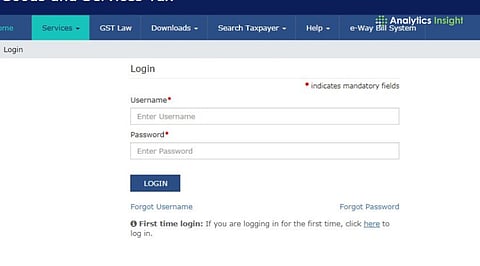
Log on to the GST portal and log in with your GSTIN User ID and Password. The company must keep the registered mobile number live for OTP verification.
Navigate to Services → Registration → Application for cancellation of Registration. Select the correct reason from the available options.
Add the date, enter stock details, tax liabilities, and reason. Businesses should be careful to check the accuracy before submitting.
Upload closure proof, transfer docs, or whatever else is required, based on the reason.
All digitally signed by DSC/EVC/Aadhaar OTP authentication (mandatory). On successful submission, the taxpayer will get the Application reference Number for further tracking.
Also Read: GST Rate Cuts: Festive Sales Soar, But Officials Warn of Possible Revenue Shortfall
Even after submitting the GST registration closure application, businesses still have certain compliance responsibilities. Tax authorities review the application, verify submitted returns, liabilities, and business records, and then issue the closure order.
After receiving the closure order, taxpayers must submit final tax returns, clear remaining tax liabilities, settle stock-related tax matters, and maintain proper records for future verification. Failure to complete pending electronic filings may still result in notices or penalties, even after a successful GST closure.
By avoiding these mistakes, businesses can complete the cancellation process more smoothly.
Reason:
Many applications are rejected because previous monthly or annual returns have not been filed.
Choosing the incorrect cancellation category causes a verification lag.
Pending Dues will prevent approval unless paid.
Details of stocks must also be accurately declared.
Incorrectly registered contact details are another common reason for OTP verification failures.
In some cases, applications may be delayed or rejected; tax authorities may also delay approval for businesses under investigation, for taxpayers with outstanding tax amounts, or for business registrants whose audit applications are on hold, etc. All compliance verification should be completed before the final GST registration cancellation process.
Understanding how to cancel GST registration online helps businesses complete the process accurately and without unnecessary delays. With the right records in place, liabilities clearly identified, and correct data submitted, the procedure is straightforward.
Whether a business is closing, changing ownership, or falling below the turnover threshold, following the proper cancellation steps protects it from future compliance issues.
1. How can I cancel GST registration online?
You can cancel your GST registration online by filing a cancellation request/application on the GST portal, uploading the required documents, and completing the verification process.
2. What documents are required for GST registration cancellation
Most companies have GSTIN details, return filings, proof of closure, stock details, Identity proof, and verification.
3. Is the final GST return filing mandatory after cancellation?
Yes. Once the cancellation is approved, the taxpayer must file the GST return for the final period to satisfy the compliance requirement.
4. How long does the GST cancellation process take?
It varies, but typically an application will be approved within a few working days if the documents/returns are kept up to date.
5. Can businesses cancel GST registration with pending tax dues?
No. Outstanding liabilities or incomplete return filings might delay or result in the rejection of cancellation applications.
