.png)

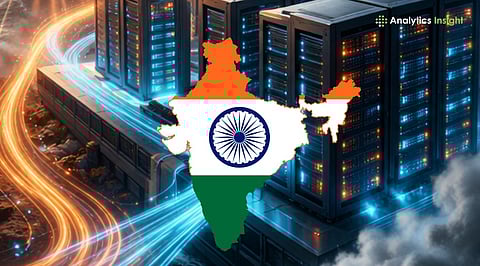
India is rapidly transforming into a global digital powerhouse driven by AI, startups, and innovation.
Discover the key strategies that can position India as a world leader in technology and the digital economy.
Explore the opportunities, challenges, and future roadmap shaping India’s global tech dominance.
India's rise in the digital economy gets a boost from faster technology adoption, a thriving startup ecosystem and strong government backing. The country has moved from being a supplier of IT services to building original solutions in cloud computing and artificial intelligence. To sustain this momentum and compete globally, India needs a clear strategy. This article outlines the key approaches that can cement India's place as a global centre for innovation.
The digitalization process in India is driven by its IT and BPM industries, which foster employment opportunities, exports, and economic development. The growth rate in these sectors remains strong owing to increasing investment by enterprises in information technology and swift digitalization.
Government initiatives such as Digital India and the India Artificial Intelligence Mission have greatly improved the country's technological capabilities, including the development of a much greater computing infrastructure for AI. Furthermore, a large pool of engineers and developers in the country and the increasing number of Global Capability Centres (GCC) are the key contributors to this transformation.
Also Read: Will India Lead the Next AI Revolution?
India should increase its investments in research and development to become a major player amongst the world's innovators. Building capabilities in AI, cloud computing, and cybersecurity will be essential to delivering key solutions and generating revenue.
The backbone for any digital economy is a strong digital infrastructure. Data centers, cloud systems, and advanced 5G and upcoming 6G networks are being developed in India. Connectivity in the rural region will drive further development in this area.
The entrepreneurial environment in India is growing continuously because of the presence of innovation centers, incubators, and financial resources. The growth of GCCs has also turned India into a co-creation center for multinational corporations that develop products and transform digitally.
Even though India has a huge population in terms of its workforce, there is a need for upskilling people in fields such as artificial intelligence, machine learning, cybersecurity, and quantum computing.
The policies formulated by the government have played a significant role in innovation. The Digital India mission, data localization policy, and AI infrastructure investment initiatives have created a positive climate for innovation.
India faces a problem where many citizens do not have access to technology. As such, there is a need for sustainable approaches that will help in addressing energy and infrastructure issues for data centers and artificial intelligence. Moreover, India needs to address skill and regulation issues.
Also Read: 10 AI Startups Fueling India’s Self‑Reliance Revolution
India's digital economy spans high-growth sectors including cloud computing, e-commerce, AI, and fintech, all advancing on the back of IoT and big data. These technologies are reshaping infrastructure, agriculture, and healthcare at scale. Global demand for digital services is rising and India has the talent and technical base to meet it as an exporter of homegrown solutions. With the right investments in skills and innovation, India is now well placed to drive sustainable and inclusive growth on the world stage.
1. What role does AI play in India’s innovation growth?
Artificial Intelligence is a key driver of innovation in India. It supports automation, data analytics, and smart decision-making across sectors like healthcare, agriculture, finance, and manufacturing, accelerating economic growth.
2. How does the startup ecosystem contribute to India’s digital economy?
India’s startup ecosystem fuels innovation by creating new technologies, generating employment, and attracting global investments. Startups play a crucial role in fintech, edtech, healthtech, and AI-driven solutions.
3. What challenges does India face in becoming a global innovation leader?
Key challenges include digital divide, infrastructure limitations, regulatory complexities, and skill gaps. Addressing these issues is essential to ensure inclusive growth and global competitiveness in innovation.
4. Why is digital infrastructure important for innovation?
Strong digital infrastructure, including data centers, cloud systems, and high-speed internet, supports seamless technology adoption. It enables businesses to scale, innovate, and deliver digital services efficiently.
5. Can India become a global innovation hub by 2030?
With strategic investments, strong policy support, and continuous innovation, India has the potential to become a global innovation hub by 2030, competing with leading tech nations worldwide.
