.png)

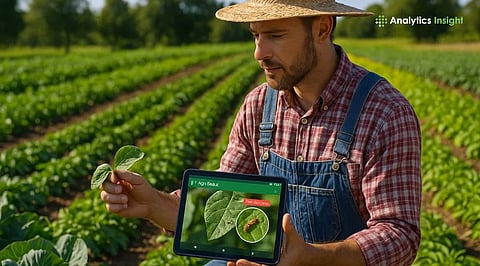
AI systems use sensors and computer vision to detect pests and diseases early, reducing crop damage and yield losses.
Real-time data analysis helps farmers take timely preventive actions, lowering pesticide use and improving farm sustainability.
Early detection supports better decision-making, protects crop health, and strengthens food security under changing climate conditions.
Agriculture is undergoing a massive transformation as advanced technology is actively being used at grassroot level to make time-sensitive decisions. By using deep learning and computer vision, AI-powered systems can help detect pathogens at a “recoverable stage,” preventing 40% crop loss typically caused by infestations.
This important shift from reactive treatment to proactive management improves food security and environmental sustainability. By identifying threats before they spread, farmers can significantly reduce chemical use, optimize resource management, and safeguard global food supplies against the rising pressures of climate change and population growth.
Modern farming technology utilizes IoT sensors and high-resolution cameras to monitor crops around the clock. Unlike traditional scouting, which requires heavy labor and often leads to errors, AI models analyze thousands of images per second. These algorithms detect minor color differences or changes in leaf texture and immediately alert farmers to potential dangers via mobile apps.
Using precision agriculture solutions enables “spot-spraying” instead of covering entire fields with chemicals. Brian Lutz, VP of Ag Solutions at Corteva Agriscience, says AI helps scientists focus on specific proteins inside pests. This focused method reduces chemical use and safeguards the surrounding environment from unnecessary toxic runoff and soil degradation.
Innovations in pest-detection systems in farming now include "smart traps" that use pheromones and light curtains to identify insect species automatically. Startups like FarmSense use acoustic and optical sensors to track pest movements in real-time. These edge-computing devices can work without constant internet access, making them highly useful for smallholder farmers in remote areas.
The evolution of AI-based crop disease detection is shifting toward predictive analytics. By 2026, these systems are expected to combine weather data with soil moisture information to predict outbreaks before they happen. This "4R" stewardship right identification, method, timing, and action is becoming the industry standard for sustainable and high-yield agricultural production worldwide.
The current generation of AI tools is significantly more efficient than the standard CNN models used just two years ago. New lightweight architectures, such as Tiny-LiteNet, offer 98.6% accuracy while requiring minimal power. These updates let complex image analysis run directly on a smartphone or small field device, eliminating the need for costly cloud infrastructure.
Also Read: How AI is Transforming Modern Agriculture and Farming Practices
The latest AI-powered pest-detection methods have evolved into a proactive early-warning system. By using multispectral satellite data, AI monitors crop stress, revealing changes in chlorophyll levels or leaf moisture before any visible changes appear.
Additionally, blockchain traceability improves supply chain transparency by creating an unalterable record of field health and the chemicals used. Farmers view this technical upgrade as a strategy to increase ROI and support climate-resilient food security.
1. What is AI-powered pest and disease detection in farming?
AI-powered pest and disease detection uses cameras, sensors, and machine learning models to identify crop threats early, helping farmers take timely and accurate preventive actions.
2. How does AI help farmers detect crop diseases early?
AI analyzes plant images, weather data, and soil conditions to spot disease symptoms before visible damage occurs, reducing crop loss and improving overall farm productivity.
3. What technologies are used in AI-based pest detection systems?
These systems commonly use computer vision, drones, IoT sensors, and deep learning algorithms to monitor crops continuously and detect pests or infections in real time.
4. Is AI-powered pest detection suitable for small-scale farmers?
Yes, affordable mobile apps and cloud-based platforms now make AI pest detection accessible to small and medium farmers, especially in developing agricultural regions like India.
5. What are the main benefits of AI-powered disease detection in farming?
Key benefits include reduced pesticide use, lower costs, higher crop yields, faster decision-making, and more sustainable farming practices through precise and data-driven interventions.
