.png)

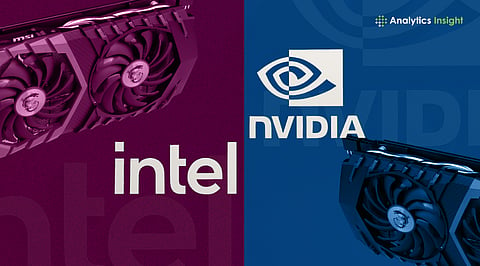
What’s New Today: Intel is entering the GPU space to power gaming graphics and AI workloads.
Fast-Track Insights: Nvidia is reportedly close to investing $20 billion in OpenAI, potentially valuing the AI giant at about $830 billion.
Here’s a quick rundown of the biggest tech headlines making waves today. Let’s dive in.
Intel is expanding beyond its traditional CPUs by beginning to make GPUs, special chips vital for advanced gaming graphics and powering AI tasks. This shift aims to diversify Intel’s offerings and compete in areas dominated by established GPU makers. The effort is in early stages, with the company building a team and shaping its strategy around customer needs in gaming and AI.
Nvidia is reportedly close to agreeing a roughly $20 billion investment in OpenAI’s current funding round, which may value the AI startup at about $830 billion. The deal isn’t finalized and negotiations have taken months. Nvidia CEO Jensen Huang reaffirmed plans for a major investment and possible participation in OpenAI’s future IPO, despite earlier reports of tensions and a stalled larger investment plan.
The cost of hiring graduates and other entry-level workers in the UK rose about seven per cent in real terms after Chancellor Rachel Reeves increased employers’ national insurance contributions and raised the national living wage, analysis shows. Higher payroll costs have made firms more cautious about expanding headcounts, slowing job creation and reducing labour market dynamism.
Artificial intelligence is helping drug companies find new medicines faster and at lower cost. AI studies huge amounts of medical and chemical data to predict useful drugs, design new molecules, and speed up research. It reduces trial failures and supports personalized treatments. Even with data and approval challenges, AI is making pharmaceutical research quicker, smarter, and more efficient.
Jeffrey Epstein, even after his 2008 conviction, invested about $3 million in cryptocurrency exchange Coinbase’s 2014 funding round through an intermediary, according to U.S. Justice Department files. The documents show his stake was less than 1 percent, involved prominent Silicon Valley investors, and raised questions about his ongoing access to elite tech deals, though Coinbase and others declined comment.
