.png)

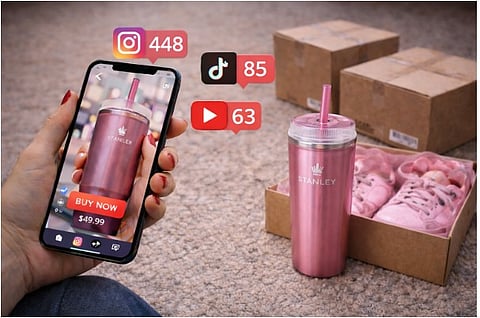
It usually starts with a simple scroll. You open TikTok, Instagram, or YouTube just to relax for a few minutes. Maybe you're watching travel clips, productivity tips, or someone organizing their kitchen. Then suddenly a creator shows a surprisingly useful product — something clever, small, and oddly satisfying.
A few taps later, the order is placed.
Social media has quietly changed how we discover products. Instead of searching for things we need, we often stumble across items we never even thought about — but once we see them, they suddenly make perfect sense.
This shift has created a new kind of shopping behavior: discovery-driven buying. And in many cases, it actually leads people to useful tools and clever solutions they might never have found otherwise.
The biggest difference between social media and traditional shopping is context. Products are no longer presented as advertisements. They appear inside real-life situations.
A travel creator shows a compact luggage organizer while packing for a trip. A student shares a clever desk lamp that improves late-night studying. Someone demonstrates a kitchen gadget that slices vegetables in seconds.
Because these products appear inside everyday routines, viewers can immediately imagine how the item would fit into their own lives. Instead of asking “Should I buy this?”, people often think “That would actually make things easier.”
This is why many viral products feel surprisingly practical once they arrive.
Not every social media trend is worth buying, but many popular products become viral for a reason. They solve small everyday problems in simple ways.
Some of the most common categories of social-media-inspired purchases include:
Smart home organizers
Drawer dividers, cable organizers, and foldable storage boxes have become extremely popular because they help people create cleaner, more functional spaces.
Travel-friendly gadgets
Compact chargers, luggage organizers, and portable steamers often go viral because they make travel easier and less stressful.
Desk and productivity tools
Adjustable lamps, ergonomic stands, and small accessories that improve workspace comfort frequently trend among students and remote workers.
Simple kitchen helpers
From vegetable choppers to creative storage containers, kitchen tools that save time tend to spread quickly through cooking content.
In many cases, these products gain popularity because viewers can immediately see how they would improve daily routines.
Another interesting aspect of social-media shopping is what happens after the purchase. Once an order is placed, many people start following its journey toward delivery.
There’s something exciting about watching a package move through the shipping process. The item that first appeared in a video is now traveling across cities and distribution centers before finally arriving at your door.
The delivery of trending products to regular customers who purchase these items will proceed through multiple store locations and different shipping methods. Shoppers show a strong preference for tools that consolidate all shipping updates into a single interface rather than checking multiple shipping websites. TrackingPackage and similar services enable users to track deliveries from multiple carriers through one package tracking service online, which shows current package locations and expected delivery times.
For frequent online shoppers, this visibility turns the waiting period into part of the experience.
Social media platforms serve as effective channels for discovering high-quality products, but customers should evaluate their buying decisions through careful research. The common practice of experienced shoppers to choose products for future consideration instead of immediate purchase serves as a fundamental shopping method. The product proves its value when users find it useful after waiting one or two days from their initial purchase.
Another helpful approach is creating a small monthly budget specifically for spontaneous finds. This allows room for fun discoveries without turning every scroll into a shopping session.
The goal isn’t to avoid social media purchases entirely. Many people discover genuinely helpful tools through creators they trust. The key is choosing the products that truly add value to everyday life.
Social media has transformed how people find products. Instead of actively searching through stores, we now discover useful items through stories, tutorials, and everyday content.
A short video can introduce a clever tool, inspire an idea, or reveal a product that solves a problem you didn’t realize you had. A few days later, the package arrives — and sometimes that small purchase becomes one of those little things that quietly improves daily life.
In the end, social media isn’t just creating waves of instant purchases. It’s creating a new kind of shopping journey — one where inspiration, discovery, and delivery are all part of the same experience.
