.png)

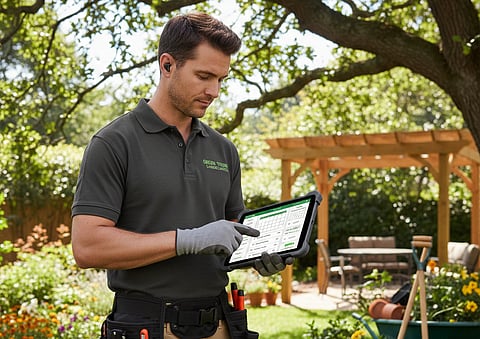
Landscaping and field service companies are moving away from scattered spreadsheets and clunky desktop tools and adopting modern SaaS platforms that simplify daily operations. These cloud systems bring everything together in one place, giving teams real time visibility into job progress, schedules, and crew activity. Service lifecycle management becomes significantly more efficient when companies use connected digital frameworks instead of isolated workflows.
Modern field service platforms help teams manage jobs from estimate to invoice with fewer manual steps and fewer chances for things to fall through the cracks. Many contractors are finding that cloud systems reduce administrative time while improving accuracy across projects of all sizes. This is especially important for landscaping crews that juggle multiple stops, seasonal demands, and recurring maintenance work.
Here are a few ways companies benefit after switching to cloud based tools:
Faster scheduling and automated dispatching
Clear job progress tracking for both office staff and crews
Digital estimates and invoices that sync instantly
In this same workflow, specialized systems give contractors the ability to manage estimates, schedules, and field operations from one dashboard. For instance, it's a breeze to manage landscaping jobs with Dynascape and leverage its capabilities within a unified operational setup. Selecting niche-specific software like this provides the perfect mix of in-the-moment functionality and broader capabilities that keep field service businesses running like clockwork over time.
As companies collect data in real time, managers get a clearer picture of how jobs are performing. They can see which crews are running ahead or behind, which tasks consistently require more time, and where resources should be shifted for the day. These insights drive faster decisions without waiting for end of week reports or fragmented updates. And faster decisions lead to improved adaptability.
Industry research continues to show how connected tools strengthen decision making. For example, findings shared through a 2024 release on GlobeNewswire emphasize how unified cloud platforms improve operational awareness, reduce redundant work, and help teams automate routine tasks. While these insights came from the managed service sector, the same trends apply strongly to landscaping and field service operations.
Most SaaS platforms now integrate with CRM systems, mobile apps, and automation tools so companies can keep clients updated without switching between programs. Crews in the field can upload photos, mark tasks complete, and communicate changes instantly from their phones. Office teams see updates as they happen, making it easier to answer customer questions and keep projects running smoothly.
The shift toward SaaS is helping landscaping and field service companies eliminate friction and work more confidently. Instead of jumping between disconnected tools, teams get one source of truth that handles scheduling, job tracking, estimating, invoicing, and communication in a cleaner, more reliable way. As these platforms continue to evolve, businesses can expect even more automation, tighter integrations, and data driven insights that support sustainable growth.
