.png)

The central government plans to extend the implementation timeline for the SIM-binding rule. These rules apply to messaging platforms and follow requests from technology companies to address technical difficulties.
The guardrails are being implemented due to the rise in cyber incidents and the increase in financial scams carried out using mobile phones.
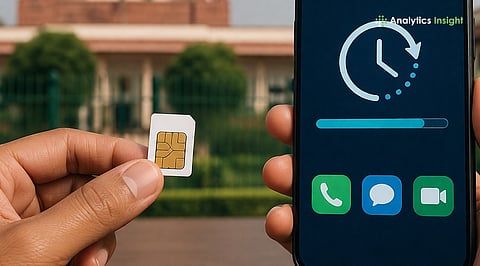
According to the SIM-binding regulation, messaging platforms such as Signal, WhatsApp, and Telegram must ensure that user accounts remain linked to the mobile SIM card used during registration. If the SIM card is changed, removed, or deactivated, the messaging service will stop working on that device. This ensures that fraudsters are not using the SIM for illegal purposes.
As of now, the extension is a part of ongoing discussions between technology platforms and telecom authorities. The government is yet to decide on implementation and compliance timelines. The rule has been introduced under telecom cybersecurity frameworks to focus on three key areas. These include:
Better identification of SIM users.
Prevent misuse of messaging platforms for cybercrime.
Strengthening safety measures for avoiding financial fraud and impersonation scams.
The rule was initially introduced as part of telecom cybersecurity measures. This requires users to link their active mobile SIM cards to messaging applications. The aim is to improve traceability and alert systems and to reduce cyber fraud.
Technology companies have informed the government that “implementing SIM-binding across platforms involves complex technical changes.” The SIM-binding includes network SIM authentication processes, verification systems, and device-level verification mechanisms.
In recent years, cybercrime cases involving messaging platforms have increased. Most of the cases involved impersonation scams, fraud schemes, and financial extortions. The SIM-binding mechanism can improve accountability for scams and reduce misuse of digital communication platforms.
Moreover, the government plans to extend the compliance deadline for managing these technical challenges. This gives companies extra time to implement the required safety measures without affecting users' services.
Also read: Continuous Threat Exposure Management (CTEM): Why It’s Becoming Essential for Modern Cybersecurity
