.png)

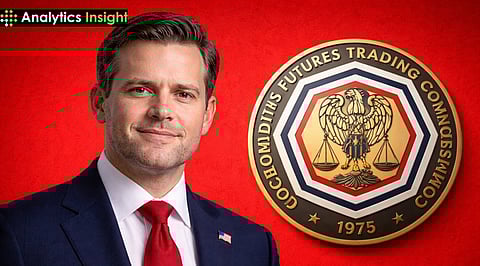
Michael Selig has been confirmed as the new chairman of the Commodity Futures Trading Commission (CFTC) by the US Senate. His appointment, which was completed on December 18, marks the end of a long-term period of interim leadership at the agency and a significant shift in direction, particularly with Congress considering granting the CFTC additional jurisdiction over cryptocurrency markets.
Selig will replace Caroline Pham, who has served as chair throughout much of 2025. Pham was the CFTC head when the agency was undergoing internal changes and regulatory realignment. Her resignation ends a year in which she was the only Senate-confirmed commissioner in the agency for most of the year.
Selig has experience in both the government and business sectors. In 2014, he began his regulatory career as a law clerk to then CFTC Commissioner Christopher Giancarlo. Thereafter, he became a private practitioner counseling trading platforms, digital asset firms, and exchanges on how to comply with securities and commodities laws.
In the early part of this year, Michael Selig returned to serving the SEC as the chief counsel of the Crypto Task Force. In this position, he served as a cross-agency coordinator for digital asset oversight and collaborated with SEC Chairman Paul Atkins. His experience in the area of crypto regulation, market structure, and enforcement policy has rendered his appointment quite remarkable, especially in the financial services sector.
Also Read: SEC’s Paul Atkins Pushes Pro-Crypto Agenda Amid Calls for Transparency and Reform
During his confirmation hearing, Selig stated that the CFTC should strike a balance between regulatory clarity and effective enforcement. He was worried that excessive enforcement of technical violations might encourage innovation and the offshoring of activities. Nevertheless, he also pointed to the necessity of taking action against fraud, manipulation, and practices that could be particularly dangerous to market players.
The CFTC will continue with its current enforcement priorities under the leadership of Selig, as introduced by Pham. These involve emphasizing the protection of retail investors, complex fraud, and predatory market practices, while paying less attention to procedural violations. The agency has also implemented modifications aimed at enhancing transparency in investigations.
Selig can be expected to advance a regulatory framework in crypto policy that will put additional activity in digital assets under the authority of the US. Recently, the CFTC has initiated pilot initiatives touching on tokenized collateral and spot crypto products, and there is increasing demand for structured cooperation between federal agencies.
The appointment by Selig comes at a time when Congress is still considering legislation that would give the CFTC jurisdiction over the spot crypto commodity market.
