.png)

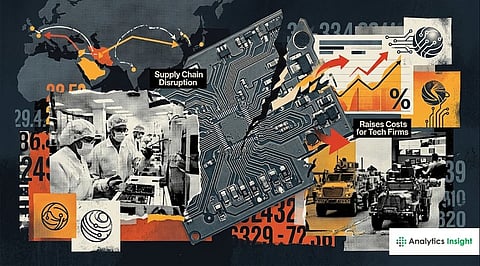
The Gulf war is now affecting the global tech supply chain as Circuit board shortages have started slowing down production across consumer electronics and data centres.
The disruptions caused by the production of petrochemical goods have heavily impacted the supply chain, causing a shortage after just a couple of weeks. Component prices have skyrocketed, leaving electronics companies to deal with higher production costs.
Circuit boards are facing an issue. The war disrupted the supply chain for petrochemical goods from the Gulf, resulting in shortages of crucial components such as polyphenylene ether used in circuit board substrates. The small number of suppliers makes it difficult to meet the demand, even if there is any minor interruption.
Production is becoming increasingly difficult for manufacturers as it is challenging to source input materials. Shipping is another factor affecting the whole process. There have been delays when moving materials and products from the Strait of Hormuz route.
Increased shipping rates, longer shipping times, high insurance rates, and increased fuel costs have made things tough. Manufacturing costs of PCBs have increased by 40% as of April 2026, while copper foils have increased by almost 30%. Memories were costly, but has worsened the situation.
According to a source, SABIC, which operates in the Jubail complex on the Gulf coast and supplies around 70% of the world's high-purity PPE, has been unable to restart production, significantly restricting the material's availability globally. The battle has also seriously hampered shipping into and out of the Gulf.
Also Read: Oil Above $100 Raises Inflation Concerns as Gulf Supply Routes Tighten
For tech firms, the choices are limited. They can absorb rising costs and take a hit on margins, or pass them on to consumers. Planning the inventory is difficult as supply timelines grow uncertain. The broader lesson is clear. A tightly knit and compact supply chain provides no buffer during crises.
A single problem can affect an entire industry in a matter of weeks. Technology is no longer independent of geopolitics; not only does geopolitical conflict affect security issues, but it also affects innovation costs and speeds.
