.png)

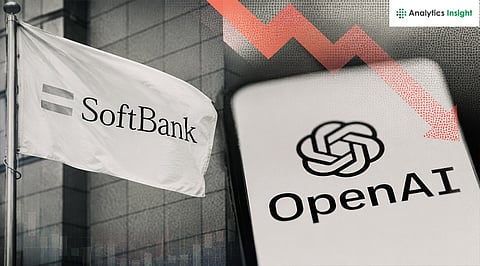
SoftBank Group has cut the target for a planned OpenAI-backed margin loan from $10 billion to as low as $6 billion, according to Bloomberg News. The change points to growing caution among lenders as they review the risks tied to private artificial intelligence assets.
The loan remains under discussion, so the final amount may still change. Even so, the reduced target shows that banks want a larger safety margin before lending against SoftBank’s OpenAI stake. The main concern centers on valuation, since OpenAI does not trade on a public exchange.
SoftBank first aimed to raise up to $10 billion through a margin loan backed by its OpenAI stake. The proposed loan would run for two years and include an option to extend it by one more year.
A margin loan allows an investor to borrow against investment holdings. This structure works more easily with listed stocks because lenders can check their market value every trading day. OpenAI creates a harder case because it remains private.
That private status makes the collateral harder to price. Lenders must judge the value of OpenAI shares without a public share price, regular trading volume, or a clear daily market reference. This makes the loan more complex than a standard facility backed by listed shares.
The lower target also shows that lenders are not only looking at OpenAI’s headline valuation. They are also considering how much value they could recover if market conditions weakened or if demand for private AI shares changed.
OpenAI has attracted major investor interest with its role in artificial intelligence. However, strong demand does not erase credit risk. Banks usually lend less against assets that are hard to sell quickly or difficult to value under pressure.
That issue sits at the center of SoftBank’s talks. A private funding round can place a high value on a company. However, lenders often use a more conservative figure when deciding how much money to advance.
SoftBank has made OpenAI a major part of its AI strategy. The group began investing in OpenAI in September 2024. SoftBank and OpenAI also joined the Stargate artificial intelligence infrastructure project in the United States in January 2025.
The company also said in March that it had secured a $40 billion bridge loan. SoftBank planned to use that funding for OpenAI investments and general corporate purposes. The new margin loan would add another funding source linked to its AI plans.
The revised loan target does not mean SoftBank has moved away from AI. Instead, it signals that lenders want tighter terms before accepting private AI shares as collateral. The move from $10 billion to about $6 billion gives a clearer view of that caution.
The key issue for banks is not just OpenAI’s growth story. They also need to assess liquidity, downside risk, and recovery value. These factors matter more when the asset has no public trading price.
The loan talks highlight a careful balance for SoftBank. The group wants to support large AI investments while keeping enough financial flexibility. A smaller loan would still provide fresh capital but it would fall well below the original target.
The outcome could influence other AI financing deals. Investors with large private AI holdings may face similar questions from lenders. For now, SoftBank’s reduced OpenAI-backed loan target shows that banks remain interested in AI exposure, but they are applying stricter limits when private shares serve as collateral.
Also Read: OpenAI Faces Rising Costs as CFO Flags Monetization Concerns Ahead of IPO Plans
