.png)

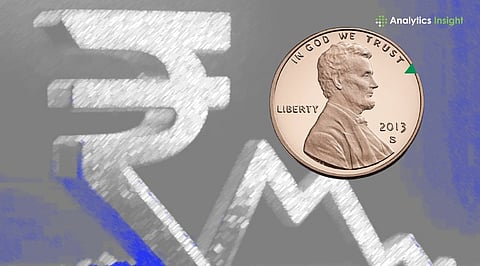
The Indian rupee touched a fresh record low against the US dollar on Thursday. Rising crude oil prices and external pressures continued to weigh on the currency.
The rupee fell 0.1% to 95.8525 against the US dollar, crossing its previous all-time low of 95.7950 recorded in the last session. It opened at 95.73 compared with Wednesday’s close of 95.7050.
The currency has declined 1.4% this week and has hit record lows in every trading session since Tuesday.
Market experts said the ongoing conflict in West Asia and elevated crude oil prices have increased pressure on India’s external position. The rupee has now weakened by more than 6% against the US dollar since the Iran conflict began, making it Asia’s worst-performing currency so far in 2026.
Brent crude prices remained near $106 per barrel as investors tracked geopolitical developments and awaited talks between Donald Trump and Xi Jinping.
Analysts said higher oil prices are increasing India’s import bill and putting pressure on the balance of payments. India imports a major share of its crude oil needs.
India’s merchandise trade deficit widened to over $330 billion in FY26, according to market estimates. Experts also noted that the country’s foreign exchange reserves have fallen by nearly $38 billion since the Iran conflict started.
The Reserve Bank of India has continued to intervene in the currency market to limit volatility. Analysts said the RBI’s net short forward position expanded to around $103 billion by March-end, reflecting sustained pressure on the rupee.
Also Read: Stock Market Update: Nifty 50, Sensex Likely to Open Lower as Rupee Hits Record Low
Analysts said rising gold imports have added further pressure on the currency. India recently increased import duties on gold and silver from 6% to 15% amid growing external risks.
India’s precious metal imports rose to nearly $84 billion in FY26 compared with $35.5 billion a decade ago.
According to currency experts, the 95.80-96 range remains a key resistance zone for the USD-INR pair, with global oil prices and geopolitical developments expected to drive near-term movement.
