.png)

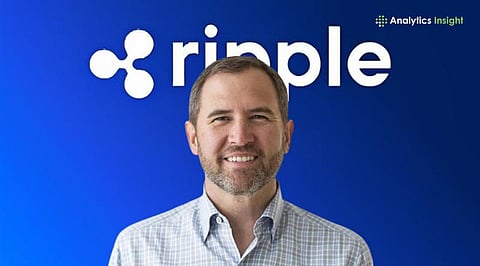
Ripple CEO Brad Garlinghouse said the company could one day reach a $1 trillion valuation. He shared the view during XRP Community Day on the social platform X. He said a crypto firm will eventually cross that mark. He believes Ripple could become that company if it executes well with the broader XRP ecosystem.
Brad Garlinghouse noted that only a handful of global giants, such as Nvidia, Apple, and Alphabet, have reached trillion-dollar status. He said more than one crypto company could achieve the milestone. Can Ripple close the gap from a $40 billion valuation to $1 trillion?
In November, Ripple raised $500 million from investors, including Fortress Investment Group and affiliates of Citadel Securities. That funding placed the firm at a valuation of nearly $40 billion. To reach $1 trillion, Ripple would need to grow about 25 times from that level.
Garlinghouse urged listeners to zoom out from recent volatility. Over the past month, XRP fell 33 percent while Bitcoin declined 26 percent. He encouraged the community to focus on long-term market size and infrastructure shifts.
Last year, Ripple invested about $4 billion across the crypto ecosystem. The spending covered investments, mergers, and acquisitions. The largest deals included Hidden Road for $1.25 billion and GTreasury for $1 billion.
Hidden Road operated as a global credit network before the acquisition. It cleared $3 trillion annually and served more than 300 institutional customers. After the purchase, Ripple rebranded it as Ripple Prime.
GTreasury provided treasury management systems with risk management and foreign exchange tools. It also offered compliance and audit frameworks. Ripple rebranded the platform as Ripple Treasury following the deal.
In addition, Ripple spent $200 million on stablecoin firm Rail. It also acquired wallet-as-a-service provider Palisade for an undisclosed amount. Since then, the company has aligned these businesses around the XRP ecosystem.
Garlinghouse said Ripple will focus on integration this year rather than large acquisitions. He told listeners not to expect major deals in the near term. Still, he added that the company may become more inquisitive again in the second half of the year.
XRP ranks as the third-largest cryptocurrency with a market capitalization of about $83 billion. The token trades near $1.37. Garlinghouse described XRP as Ripple’s “North Star” and core purpose.
He said Ripple payments, Ripple Prime, Ripple Treasury, custody services, and RLUSD all aim to drive utility and liquidity around XRP and the XRP Ledger. He tied product strategy directly to XRP’s role within the ecosystem.
President Monica Long echoed that direction. She said the company has rewound its focus to XRP and the Ledger as its reason for being. She described the asset as guiding product strategy and decision-making.
From there, she outlined three institutional initiatives. First, Ripple plans to bring more licensed payment flows onto the XRPL decentralized exchange. Second, it is developing a “payments credit” concept that matches provider financing needs with XRP holders seeking yield through a proposed lending protocol amendment.
Third, Ripple seeks to grow custody demand as banks move beyond safekeeping. The company aims to support tokenization of deposits, funds, and traditional securities.
Garlinghouse said massive global markets create room for growth. He added that the opportunity to rewire and accelerate financial infrastructure remains substantial as Ripple deepens its integration strategy.
Also Read: Ripple’s Quiet Institutional Move: Why Banks Are Buying XRP
Ripple CEO Brad Garlinghouse said the company could pursue a $1 trillion valuation through disciplined execution within the XRP ecosystem. Ripple invested billions in acquisitions and rebranded core units to align with XRP Ledger growth. The firm now prioritizes integration while expanding institutional payments, custody, and treasury services.
