.png)

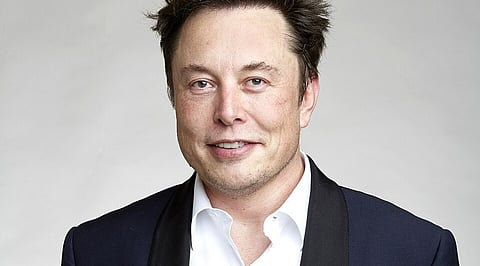
SpaceX CEO Elon Musk warned that more than 200 AI computing providers could face widespread failures and consolidation as lenders tighten financing. In an October 25 post on X, Musk said debt markets had largely closed to companies lacking substantial revenue outside AI data centers.
He predicted that only a few specialized cloud providers, known as neoclouds, would survive. At the same time, Musk said SpaceX had secured USD 40 billion in debt to buy AI chips, pointing to its other revenue sources as a key difference.
Neoclouds rent computing power to companies that train and operate artificial intelligence models. Their operations rely on expensive graphics processing units, or GPUs, along with large data centers and steady access to capital.
As technology firms expand their AI operations, these providers need financing to buy equipment and build more capacity. Musk said lenders had recently pulled back from businesses that rely heavily on data center income. His comments described a funding problem rather than an announced shutdown of individual companies. That reliance creates exposure when funding becomes scarce before new facilities can start generating revenue.
Musk expects failures and mergers across an industry he said includes more than 200 providers. He also rejected the idea that SpaceX might buy struggling neocloud firms, calling potential acquisitions pointless.
Can companies that depend mainly on AI computing revenue keep financing new facilities when lenders demand other sources of income? Musk's warning separates borrowers with diverse revenue from specialist providers that depend heavily on AI contracts.
Unlike many neocloud providers, SpaceX has revenue from Starlink satellite internet services and rocket launches. Musk said those businesses, together with its investment-grade credit standing, helped the company obtain financing for AI equipment.
He said SpaceX had closed a USD 40 billion debt deal, mainly involving callable borrowing, for GPUs scheduled to arrive during the first two quarters of 2027. Musk also said the purchases would not materially affect the current quarter.
Yet the transaction's final terms remain unclear. Reuters had previously reported negotiations with banks and investors over a USD 40 billion package to buy Nvidia chips. Bloomberg described a special-purpose vehicle and discussions led by Goldman Sachs, with Apollo Global Management among the investors involved.
Despite Musk's announcement, reports indicated that pricing discussions were continuing. Neither the final borrowing structure nor all financing terms have been confirmed. The full repayment terms and interest rates also remain unspecified. That distinction leaves his statement about closing the deal separate from the reported status of negotiations.
Read More: Anthropic Picks AMD for Next-Gen GPUs in Deal Worth USD 5 Billion
SpaceX reported third-quarter 2026 revenue of USD 14.58 billion, according to CNBC, representing a 161% increase from a year earlier. Its AI operations generated USD 7.56 billion, compared with USD 813 million in the previous year's quarter.
The company also expects capital expenditure of USD 35 billion to USD 40 billion in the fourth quarter. That spending reflects the cost of expanding computing infrastructure while securing the chips needed for future AI services. Such projects demand large commitments before revenue arrives.
Venture capitalist Chamath Palihapitiya had separately criticized the finances and management of many neocloud operators. He said Amazon, Microsoft, and Google were moving slowly on deals and preferred to keep computing capacity for their own operations.
Palihapitiya also warned that delays in completing data centers could leave equipment idle during 2027. For borrowers, unused chips and unfinished facilities could weaken the income needed to cover financing costs.
Meanwhile, investors have questioned returns on large AI infrastructure budgets. The supplied market snapshot placed Nasdaq futures near 29,080, down from above 30,000 earlier in October. The decline came as AI-linked shares and broader markets faced pressure over spending plans and expected returns.
Musk expects failures and consolidation among more than 200 neocloud providers as financing tightens. SpaceX says its USD 40 billion GPU deal draws support from strong credit and revenue outside AI data centers. Yet reported pricing talks and heavy infrastructure spending leave key funding questions unresolved.
