.png)

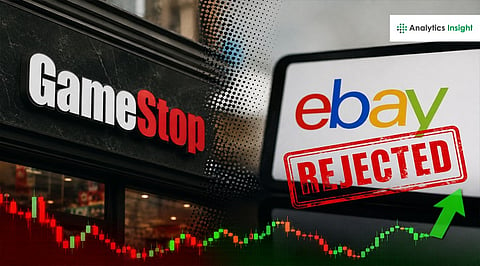
GameStop stock moved lower in premarket trading on Tuesday after eBay rejected its unsolicited $56 billion takeover offer. The online marketplace said the proposal raised doubts over financing, business risks, and long-term growth.
The rejected bid placed fresh pressure on GameStop shares, as investors questioned how the video game retailer would fund a deal for a company much larger than itself.
eBay’s board rejected GameStop’s proposal and called it ‘neither credible nor attractive.’ The response came in a letter addressed to GameStop Chairman and CEO Ryan Cohen. eBay’s Board Chairman Paul Pressler wrote, “The Board, with the support of its independent advisors, has thoroughly reviewed your proposal and has determined to reject it.”
Pressler also said, “We have concluded that your proposal is neither credible nor attractive.” The statement reflected the board’s doubts over the structure of the offer and the risks tied to the proposed transaction.
eBay said its board reviewed several factors before reaching the decision. These included ‘the uncertainty regarding your financing proposal’ and the possible effect on eBay’s long-term growth and profitability.
GameStop shares fell about 4% in premarket trading after the rejection. The stock traded near $22.26 before the opening bell, as investors reacted to the failed approach.
Ryan Cohen had offered to buy eBay for $125 per share through a cash-and-stock deal. The proposal valued eBay at about $56 billion, while GameStop’s market value was much smaller.
At the time of the offer, GameStop had about $9 billion in cash. Cohen also referred to a $20 billion financing letter from TD Bank.
However, the debt financing depended on the combined company keeping an investment-grade credit rating. Moody’s later said the deal would be credit negative for eBay, which added to market doubts.
Several investors questioned whether GameStop could complete a deal of this size without adding heavy debt or issuing new shares. Such a move could dilute current shareholders.
Michael Burry, known for his role in ‘The Big Short,’ sold his GameStop stake after the offer became public. He warned that the transaction could add debt and reduce value for existing holders.
Wall Street also questioned the strategic fit between the two companies. eBay runs an online marketplace that connects buyers and sellers, while GameStop sells video games and related products through stores and online channels.
Cohen said a combined company could compete more directly with Amazon. He also said GameStop’s retail network could support authentication, fulfillment, and live commerce services for eBay customers.
The rejection does not fully end GameStop’s pursuit. Cohen has already said he could take the offer directly to eBay shareholders, possibly through a special meeting. Such a move would turn the situation into a more confrontational process. However, eBay said it remains confident in its current management and business plan.
The company said it has improved its marketplace, strengthened seller services, and returned capital to shareholders. It has also focused on categories such as collectibles, trading cards, and used luxury goods.
eBay shares slipped about 1% before the market opened and traded near $107. The price remained below GameStop’s $125-per-share offer, showing that investors still had doubts about the deal’s chances.
Also Read: TikTok Ban Fuels eBay Craze for Preloaded TikTok iPhones at $25K
