.png)

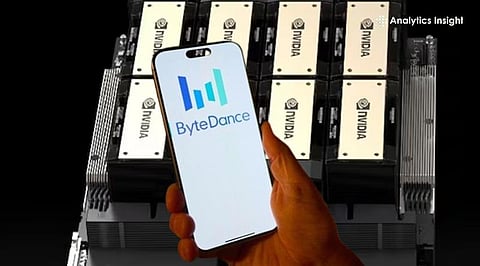
ByteDance plans to spend approximately $14.3 billion on NVIDIA AI chips in 2026. The plan supports increased AI computing for TikTok, Douyin, and Volcano Engine. The chip budget for the coming year may rise from 85 billion yuan set for 2025; however, ByteDance has not publicly announced the figure yet.
The Chinese giant also plans broader AI infrastructure spending of about 160 billion yuan in 2026. This expense covers data centers, networking gear, and AI servers for training and utility.
The 2026 purchase plan depends on access to NVIDIA’s H200 GPUs in China. The US administration said it will allow H200 exports under a new sales framework that includes a 25% fee on H200 revenue and a buyer approval process. At the same time, Chinese regulators review and discuss demand with major firms.
Officials have also weighed conditions that pair H200 orders with domestic chips. This approach aims to grow AI capacity while supporting local chip suppliers. NVIDIA has started planning for 2026 demand by seeking higher output from TSMC. It builds the H200 chips on its Hopper platform using TSMC’s 4nm process.
Order books indicate over two million H200 units for 2026, while NVIDIA currently holds about 700,000 units. The tech firm expects additional production to begin in Q2 2026. NVIDIA has priced H200 at $27,000 per chip for China-bound sales. This means an eight-chip module would cost approximately 1.5 million yuan.
The H200 offers a step up from the H20, the prior China-focused option. Performance comparisons put the H200 at about six times the H20 level.
Chinese buyers want the H200 because it supports faster training for large AI models. Domestic chips can cover many inference workloads, but they still lag in peak capability. Developers also rely on NVIDIA’s CUDA software, so switching hardware can force code changes and model retraining. Beijing continues to promote local chips so that firms may balance both supply paths.
NVIDIA has also outlined plans to start H200 shipments by mid-February 2026, pending approvals. Initial deliveries could use 5,000 to 10,000 modules from existing stock.
ByteDance’s computing needs have increased as AI services have expanded across its apps and cloud platform. In December, Volcano Engine leadership said that Doubao had exceeded 50 trillion tokens per day. The figure rose from about 4 trillion tokens in December 2024. Additionally, Volcano Engine reported more than 100 corporate clients with over 1 trillion tokens in use.
Volcano Engine also secured an exclusive AI cloud role for the 2026 Spring Festival Gala. The work requires reliable computing for production, interaction, and streaming tools.
ByteDance has further expanded its internal chip development capacity. The company moved a chip design unit of about 1,000 employees to Picoheart in Singapore. The Chinese company has made progress on a cost-effective processor that matches H20-level performance. It has also invested in high-bandwidth memory through internal work and stakes.
Also Read: ByteDance to Keep the ‘Brain’, China Refuses to Hand Over TikTok's Algorithm
