.png)

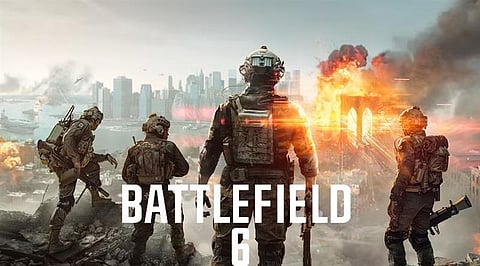
Battlefield 6 is under scrutiny after a shocking controversy involving AI usage. Since launch, the FPS game has attracted gamers' attention, but the chord was cut after the Windchill premium cosmetics bundle was released. Players accused Electronic Arts of selling AI-generated artwork in the premium cosmetics bundle. The uproar began after fans spotted AI-like inconsistencies in one of the cosmetic sticker designs.
When the game was initially launched, EA suggested that Generative AI content wouldn’t come in the game’s visible assets. However, the AI inclusion, specifically in the paid content, has angered players who expected premium-quality artwork and the authenticity of human-crafted design.
The first wave of backlash began on social media and gaming forums, where fans shared images of the controversial player card sticker, which they suspect was designed with generative AI. The art that’s in question shows a weird dual-barreled rifle design. Players have labelled the cosmetic as “AI slop” and criticized EA for charging users for what they believe is machine-generated art.
Many players have argued that AI undermines artistic integrity and that its use is troubling the standards and trust in future cosmetic releases. Maintaining a similar tone, other players have expressed disappointment that such an incident occurred despite earlier assurances that there would be no visible AI-generated content. For most fans, the issue is not only about aesthetics but also about trust and fairness in paid in-game offerings.
Battlefield 6 isn’t alone in sparking a controversy about AI art. Call of Duty also faced community outrage after players suspected some cosmetic cards and visual assets were AI-designed. Fortnite also found itself in a similar storm when fans accused the game of showing visual inconsistencies in promotional artwork.
Not only are renowned AAA titles on the list, but so are. Even indie games have faced similar consequences. Some games even faced the withdrawal of awards and widespread community distrust after AI-generated textures or art were discovered post-launch. These incidents reveal a broader industry tension between technological efficiency and creative authenticity.
Also Read: Best AI-powered NPCs in Modern Games
Battlefield 6, one of the games in the ongoing debate over the use of AI in gaming, has raised a significant question: whether studios can use AI responsibly without losing consumer trust or compromising creativity.
The discussion has been intensifying, and the industry watchers believe that more transparency, stricter quality checks, and open communication will be crucial. It will be interesting to see whether the studios will draw any lessons from these disputes or keep pushing AI's limits. The decision will reshape the future of the gaming industry.
