.png)

RV door locks play a crucial role in ensuring the safety and security of your recreational vehicle. Whether you're parked at a campsite or on the road, having reliable door locks is essential. In this article, we'll explore various aspects of RV door locks, from types and features to installation and maintenance.
There are several types of RV door locks available on the market, each with its own unique characteristics and functions. One of the most common types is the deadbolt lock. Deadbolt locks provide a high level of security as they require a key to unlock from both the inside and outside. They are typically made of strong materials such as steel and are designed to resist forced entry.
Another popular type is the cam lock. Cam locks are simple and easy to use. They consist of a cam that rotates when the key is turned, engaging with a strike plate on the door frame. Cam locks are often used on RV cabinets and storage compartments as well as doors. They are relatively inexpensive and offer a basic level of security.
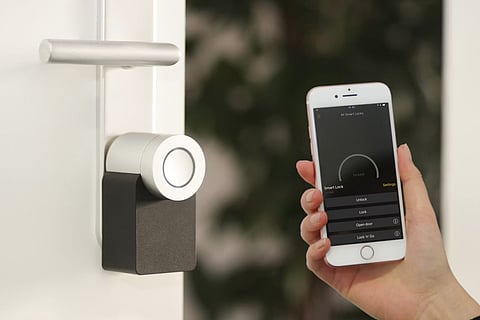
Keyless entry locks are also becoming increasingly popular in the RV industry. These locks use a keypad or a digital code to unlock the door. They offer convenience as you don't have to carry keys around. Some keyless entry locks also come with additional features such as remote control access and programmable codes.
Magnetic locks are another option for RV doors. These locks use magnets to hold the door closed. They are easy to install and operate, ONNAIS but they may not provide the same level of security as deadbolt or cam locks. Magnetic locks are often used on secondary doors or hatches.
When choosing an RV door lock, there are several features to consider. One important feature is the level of security. You want to choose a lock that provides a high level of protection against forced entry. Look for locks that are made of strong materials and have a solid construction.
Durability is also a key factor. RVs are often exposed to harsh weather conditions and rough handling, so you need a lock that can withstand these challenges. Consider locks that are made of corrosion-resistant materials and have a long lifespan.
Convenience is another aspect to think about. If you prefer not to carry keys, a keyless entry lock may be a good option. Some keyless entry locks also allow you to program multiple codes, which can be useful if you have multiple people using the RV.
Compatibility is also important. Make sure the lock you choose is compatible with your RV door. Different RV doors may have different dimensions and requirements, so it's essential to measure your door and choose a lock that fits properly.
Installing an RV door lock may differ slightly depending on the type of lock and the needs of your RV. There are some general steps that you can follow, however. First, gather all the necessary tools and materials, such as a drill, screwdriver, and the lock itself.
When installing a deadbolt lock, first mark the position for the lock on the door. Use a template supplied with the lock to ensure correct placement. After that, determine the location of the holes for the lock and strike plate and drill them in as directed. The lock should be inserted into the holes and fastened with the screws.
For a cam lock, you'll need to drill a hole in the door for the lock cylinder. Put the lock cylinder into the hole and then attach the cam to the inner side of the door. Ensure that the cam fits with the strike plate on the door frame.
The installation of a keyless entry lock is a little more complicated. The lock will need to be plugged into a power source, typically a battery. Carefully follow the manufacturer's directions to wire and program. After assembling the lock, check it to ensure proper operation.
Magnetic locks are fairly simple to install. Just stick the magnetizable parts to the door and door frame. Make sure the magnets are properly aligned so that the door closes securely.
To maintain long - term performance, RV door locks must be maintained properly. Clean locks regularly to remove dirt, dust and debris. Locks can be cleaned with a soft cloth and mild cleaning solution. Avoid using abrasive cleaners as they can damage the lock's finish.
Apply lubrication to locks from time to time to ensure they are running smoothly. Use a silicone - based lubricant or a graphite powder. Lube the keyhole and moving parts of the lock.
There are some troubleshooting tips to be followed if the problem falls while you are having a problem with your RV door lock. If the lock is difficult to turn, it may be due to a build - up of dirt or a misaligned strike plate. Attempt to clean the lock and adjust the strike plate. If the key is not fitting in the hole, or does not rotate freely, it may be a key issue. Determine whether the key is damaged or there is an object that is preventing the key from being inserted.
If the keyless entry lock isn't working, check the battery. If the battery has low power, replace it. Also, be sure that the lock is programmed correctly and that the numbers are entered correctly. If it continues to happen, reach out to the manufacturer's customer support for additional information.
If the magnetic locks do not appear to be keeping the door securely shut, determine if the magnets are still strong enough or if the magnets are not aligned. Possibly replacement or adjustment of magnets.
These maintenance and troubleshooting suggestions will help ensure that your RV door locks remain in good condition for many years. This will not only ensure the safety of your RV, but it will also give you some peace of mind when travelling.
