.png)

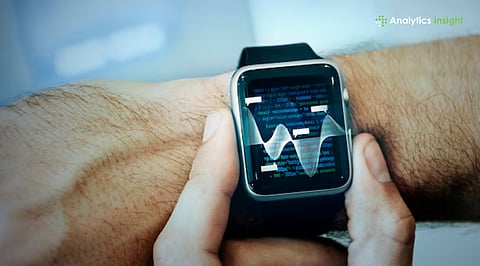
Wearable devices track daily health signals and show patterns that usually go unnoticed.
Early detection of irregular sleep, heart rate, or stress supports safer long-term health.
Cost, data privacy, and accuracy remain concerns that influence who benefits from wearables.
Wearable technology is slowly changing how health is looked after. Instead of waiting for sickness to appear, many people are now focusing on catching warning signs early. Devices like smartwatches, fitness bands and smart rings are becoming part of daily life. These devices track different body signals and give regular updates about health and habits.
Modern wearable devices do more than count steps. They collect signals from the body throughout the day and night. With this information, a clearer picture of health is formed. Most common measurements include:
Heart rate
Blood oxygen level
Sleep cycle patterns
Body movement and inactivity time
Skin temperature changes
For example, a student preparing for exams may notice sleep quality dropping, which can later affect focus and mood. Wearable data shows this connection more clearly than guesswork.
Also Read: Wearable Tech Revolutionizing Remote Patient Monitoring
Preventive health focuses on noticing small changes before they turn serious. Wearable devices support this style of health care by constantly watching signals that usually go unnoticed. Some examples of early signs these devices can show:
A change in resting heart rate
Irregular heart rhythm alerts
Sudden differences in sleep patterns
Stress levels rising during long study or work hours
Chronic diseases such as diabetes and heart disease are common in many families. Devices like continuous glucose monitors allow regular tracking of blood sugar. Smartwatches that record ECG readings help doctors understand heart conditions without constant clinic visits. This type of monitoring helps stop the condition from worsening silently.
A large number of people spend many hours sitting. This happens in classrooms, offices, buses and also during entertainment. Wearables track how long a person stays inactive and point it out. Over time, this information encourages small changes in routine. Health improvements often come from:
Standing up for short breaks
Walking slightly more each day
Sleeping at regular times
Reducing late-night device use after noticing sleep data
These changes may look small, but over time they support better energy, mood, and physical fitness.
Some healthcare centres are now including wearable data during check-ups. Instead of depending on a few readings taken in hospitals, doctors are able to see how the body behaves in normal daily situations. This supports more practical advice. For example:
Tracking how heart rate responds during daily activities
Understanding stress patterns during school or work
Seeing long-term sleep trends instead of a one-day report
This makes health discussions more accurate.
Also Read: Wearable Tech in 2025: How AI and Quantum Computing Are Transforming Smart Devices
Even with many benefits, wearable technology has some problems.
Main challenges include:
Some devices may give incorrect readings during heavy movement
Data can be misunderstood without proper guidance
Many high-quality wearables are expensive
Privacy issues arise when companies store personal health data
Not everyone can afford these devices, causing differences in access to preventive health support.
New developments aim to make devices smaller, lighter and more comfortable. Sensors may be placed in clothing, shoes or skin patches. Artificial intelligence may help understand patterns that humans cannot see. This may lead to warnings before sickness appears in noticeable form.
Wearable technology is becoming an important part of preventive health. By giving regular updates on sleep, movement and body signals, these devices help understand health better in daily life. With time, better accuracy, lower costs and stronger data protection will help more people use these tools. This can reduce the risk of serious health problems and support healthier living in the long term.
1. How do wearable devices support preventive health by tracking daily signals like heart rate, sleep and activity levels?
Wearables track heart rate, sleep and movement all day. These patterns help detect early changes, which can prevent small issues from becoming serious.
2. What part do wearables play in identifying early signs of chronic conditions like heart disease or diabetes?
Devices that monitor glucose or record ECG show early irregularities. This helps in getting medical attention before health conditions progress further.
3. How do wearables affect daily routines such as movement, rest and stress management?
Wearables highlight inactivity, poor sleep or rising stress. These insights encourage steady, realistic improvements in daily habits.
4. Why do some doctors use wearable data in consultations and how does it help?
Wearable data shows everyday patterns instead of one-time readings. This supports clearer discussions and more practical health advice.
5. What are the key concerns related to wearable technology such as cost, accuracy and privacy?
Some devices may not always be precise, many are costly, and storing health data raises privacy issues that require careful protection.
