.png)

Ray-Ban Meta Gen 2 starts at Rs. 39,900 in India, with Hindi voice support and roughly double the battery life of Gen 1.
The glasses depend heavily on the Meta AI companion app, and most features work across both Android and iPhone.
Comfort, camera habits, and privacy comfort level shape the buying decision more than the spec sheet does.
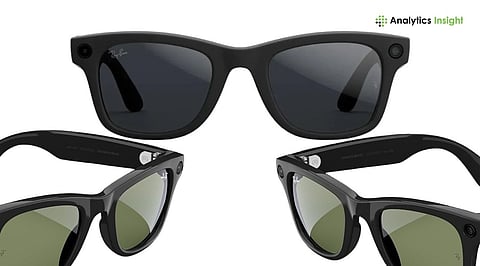
Smart glasses have finally reached the point where they solve everyday problems instead of simply demonstrating new technology. That shift has turned them from niche gadgets into practical wearables. Ray-Ban Meta sits at the center of that change by combining a camera, open-ear audio, and Meta AI in familiar eyewear. The real question is not about whether smart glasses work, but whether they fit everyday habits and justify the price.
The 12MP ultra-wide camera takes photos and short videos. These sync automatically to the Meta AI app on a paired phone. Open-ear speakers play calls and music while still letting outside sound through. This is a real safety benefit on busy Indian streets, where blocking out all noise can be risky. A simple voice prompt, ‘Hey Meta,’ wakes up the assistant. It runs on Meta's Llama 4 model in Gen 2 and now speaks fluent Hindi. A touchpad on the temple controls capture and playback, so there is no need to reach for a phone.
Gen 2 suits buyers who want sharper video, longer battery life, and a more capable assistant. A discounted Gen 1 unit still holds up for casual photos, calls, and music at a lower cost.
Ray-Ban Meta pairs with compatible Android and iPhone devices through the Meta AI app. Camera, audio, and AI functions largely depend on this companion app, and available features can shift with app version, software update, and region. Checking that a phone runs a supported operating system before purchase avoids missing out on newer AI capabilities.
Meta rates Gen 2 at up to 8 hours per charge under light, mixed use. In everyday use, battery life varies depending on photography, music playback, and Meta AI usage. Frequent recording and voice interactions reduce battery life faster than light mixed usage. The charging case adds roughly 48 hours of backup power, and a 20-minute session restores 50 percent charge, useful for anyone recording throughout the day.
Both generations come in Wayfarer, Headliner, and Skyler styles. This lets buyers pick a look they would wear even without the tech inside. The extra weight from the camera and battery sits mostly in the temples. This can cause mild pressure behind the ears during long wear, something first-time buyers rarely expect.
For larger or smaller face shapes, it helps to try the frames in person or use a virtual fitting tool. The built-in electronics slightly change how the temples fit compared to regular glasses. Prescription lenses, transitions, and polarized options are still available through authorized opticians.
Gen 2 supports full Hindi voice interaction, letting wearers speak naturally instead of switching to English commands. Meta has also announced a UPI-based payment feature for India, allowing a QR code scan paired with the phrase ‘Hey Meta, scan and pay’ to complete a transaction through a WhatsApp-linked bank account. The feature is being rolled out gradually, so availability may vary by device, software version, and region.
The battery drains faster than the rated figure suggests during continuous recording. Open-ear speakers can lose clarity in loud outdoor settings like traffic or crowded markets. Many AI functions require an active internet connection to operate at all. Camera use also draws scrutiny in certain workplaces, gyms, and private venues, a consideration for anyone planning to wear these glasses daily.
A front-facing LED activates during recording, giving people nearby a visible signal. That built-in transparency helps with etiquette but does not substitute for judgment in offices, washrooms, or private meetings. Photos and videos are managed through the Meta AI app, while some AI-powered features rely on Meta's cloud services. Reviewing privacy settings before enabling these features is recommended.
Also Read: Best Water Purifier Buying Guide: Everything You Need to Know Before You Buy
Commuters seeking audio without earbuds, travelers wanting quick point-of-view photos, and Hindi-first users looking for a natural AI assistant tend to get the most from Gen 2. Anyone expecting an augmented-reality display should look elsewhere, since these remain camera-and-audio glasses rather than a heads-up display.
Beyond the specifications, the real appeal of Ray-Ban Meta is how naturally it fits into everyday routines. Buyers who regularly take photos, make calls, or rely on voice assistance are far more likely to benefit from the smart features than those who simply want the latest wearable gadget.
Also Read: How to Choose the Best Portable Charger in 2026: An Expert Buyer's Guide
Why this Matters
Smart glasses are becoming part of daily life. That makes picking the right model before buying an important step. Looking past the spec sheet helps spot the features that actually matter, leading to better value, more comfort, and a smarter purchase in the long run.
Smart glasses are getting better at doing a few things well instead of chasing every feature at once. Future models will likely bring longer battery life and features built for local markets. In the end, the best pick is not the one loaded with the newest specs. It is the one that fits daily life.
Ray-Ban Meta smart glasses are worth considering for users who want hands-free photography, open-ear audio, voice calls, and AI assistance in a stylish pair of everyday glasses. The latest models offer improved camera quality, battery life, and Meta AI features compared to earlier versions.
Ray-Ban Meta smart glasses can capture photos and videos, play music through open-ear speakers, make and receive calls, livestream to supported platforms, and provide hands-free assistance through Meta AI using voice commands.
Yes. Many Ray-Ban Meta models support prescription lenses through authorized optical retailers, allowing users to combine vision correction with smart features without changing their daily eyewear.
Basic functions like taking photos, recording videos, and listening to downloaded audio can work offline. However, Meta AI features, cloud syncing, and some voice-based capabilities require an internet connection and the companion mobile app.
Before buying, consider the frame style, lens type, compatibility with your smartphone, battery life, AI feature availability in your region, privacy considerations, and whether the smart features match your everyday lifestyle and budget.
