.png)

Smart alarm clocks in 2025 focus on calm waking, not loud noise. Light and soft sound now guide the body out of sleep instead of shocking it awake.
Different models serve different sleep styles. Some focus on full sleep routines, others on strong sunrise light, and some on voice control and smart homes.
The right alarm clock can change daily energy and mood. Better waking leads to better focus, lower stress, and smoother mornings.
Mornings shape the mood of the entire day. A sharp ringtone in total darkness shocks the body and leaves the mind slow and restless. Customized automated alarms solve this problem with soft light, layered sound, and smart routines. Let’s take a look at the best smart alarm clocks that provide a balanced start that feels natural, not forced.
Hatch Restore 3 works like a full sleep system rather than just an alarm. It combines a sunrise lamp, sound machine, and alarm in one clean unit. The light ring offers 18 colors and a slow sunrise that brightens before wake time.
More than 50 sounds cover music, stories, breathing, and nature. Five physical buttons allow full control without using a phone. Different routines can be set for weekdays and weekends with ease and comfort.
Loftie wakes the body in two calm steps instead of one loud shock. A soft sound begins before the real alarm, followed by a clearer wake-up tone. This method helps reduce panic and stress in the morning. At night, Loftie offers custom bedtime stories, guided relaxation, sound baths, and soft background noise. A built-in night light adds gentle visibility. The speaker is strong enough for music and podcasts, making it useful even during the day.
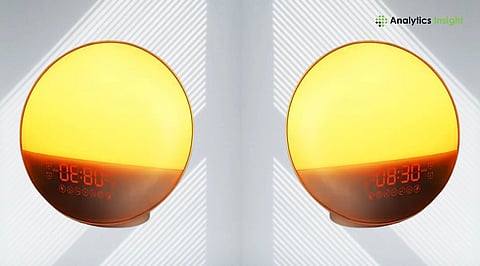
Philips HF3520 focuses on light as the main wake-up tool. It reaches a strong brightness and changes color from red to orange to soft white, just like a real sunrise. The sunrise length can be set between 20 and 40 minutes.
Five calm alarm sounds, and an FM radio are included. The display dims automatically at night. A sunset mode slowly lowers the light in the evening. This device is perfect for deep sleepers who respond better to light than sound.
Echo Spot mixes a smart assistant with a compact alarm clock. The round screen shows time, weather, and calendar updates. A gentle screen glow appears before the alarm sound. Voice commands set alarms, play music, control lights, and run daily routines.
One command can start a full morning setup. Four built-in alarm sounds feel softer than basic beeps. Night mode keeps the screen dim. The Amazon product’s motion detection adds simple automation for daily movements and habits.
Lenovo Smart Clock is made for quiet bedrooms and clean nightstands. The 4-inch display stays small and easy on the eyes. This gadget’s brightness adjusts automatically based on room light. A sunrise alarm brightens the screen slowly before wake time.
Tap-to-snooze works with a simple touch on top. Voice routines handle lights, alarms, and daily updates. A USB port at the back charges the phone neatly without adding clutter to the bedside.
Google Nest Hub works as both an alarm and a morning dashboard. The large screen shows schedules, reminders, news, and short videos from across the room. Sunrise alarms raise brightness and sound slowly.
A hand wave can snooze the alarm without touching the screen. Sleep sounds and wind-down tools support calm nights. The device connects with other rooms for announcements and shared routines. This model suits homes where more than one person follows a daily schedule.
Jall Sunrise Alarm Clock offers light-based waking at a low price. The light brightens slowly over 10 to 30 minutes and comes in seven color options. Two alarms can be set for different schedules. FM radio and nature sounds are included for basic audio needs.
Snooze works in 9-minute steps. All controls use physical buttons. The body feels simple, but the light and alarm perform well. This is a good choice for students and guest rooms.
Smart alarm clocks focus on calm waking instead of loud noise. Some models specialize in full sleep routines. Others rely on sunrise light or voice control. The best choice depends on sleep habits, room setup, and budget.
An optimized smart alarm clock does not just wake the body. It shapes the first mood of the day. The right choice can turn rushed mornings into steady, clear starts that feel controlled and peaceful from the first moment.
A sunrise alarm slowly increases light before the alarm sounds. This tells the body that morning is coming. It helps reduce shock, lowers stress, and makes waking feel more natural than sudden loud beeps in darkness.
Yes, especially models with strong light output and rising sound levels. Bright sunrise lamps and layered sound patterns work well for heavy sleepers who often ignore normal alarms.
Some models need WiFi for voice control, updates, and smart home features. Others work fully offline with manual buttons and built-in light and sound. The need for WiFi depends on the clock type.
Yes. Many offer wind-down sounds, sunset light, guided relaxation, and calm night modes. These features help the body relax before sleep and support more stable sleep habits over time.
Simple sunrise alarms and voice-based smart clocks are good starting points. They are easy to use, affordable, and give a clear idea of whether light-based waking fits daily habits.
