.png)

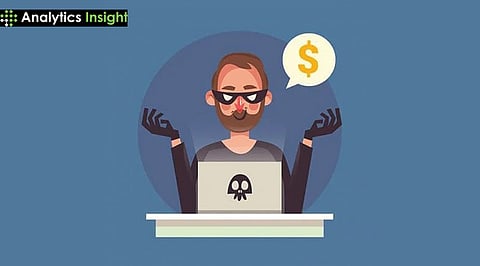
Cybersquatting is the unethical registration or use of domain names to profit from another’s trademark, corporate identity, or personal name. It involves extortion or diverting business but excludes good-faith registrations without malicious intent.
Typosquatting: Typosquatting, also known as URL hijacking, involves registering domain names that are intentionally misspelled variations of popular websites. This type targets users who accidentally type incorrect URLs. For example, a cybersquatter might register "Googgle.com" instead of "Google.com." The goal is to capture traffic from users who make typographical errors while trying to reach the legitimate site.
Identity Theft: Identity theft in cybersquatting occurs when a cybercriminal registers a domain name that closely resembles an existing brand or individual’s name to impersonate them. This can involve creating fake websites that mimic legitimate ones, potentially deceiving users into providing personal or financial information. For instance, if a cybersquatter registers a domain similar to a well-known company’s name, they may create a fraudulent site that misleads customers into thinking they are interacting with the legitimate brand.
Name Jacking: Name jacking involves registering domain names associated with the names of celebrities or public figures without their permission. This practice often aims to profit from web traffic related to those individuals. For example, if someone registers "TomCruise.com" and uses it to redirect visitors to unrelated content or advertisements, this would be considered name jacking. Legal actions can sometimes be taken by the affected individuals to regain control over such domains.
Reverse Cybersquatting: Reverse cybersquatting, also known as reverse domain name hijacking, occurs when a cybersquatter claims that the original owner of a domain is infringing on their rights. They may create a business with a similar name and argue that the original owner is squatting on their trademark. This form manipulates legal frameworks to gain control over domains that were previously owned by legitimate businesses or individuals.
Threat to Brand Reputation: Cybersquatting can severely damage a brand's reputation. When cybersquatters create websites that mimic legitimate businesses, they can mislead customers into thinking they are interacting with the authentic brand. This confusion can result in negative associations with the brand, especially if the fake site engages in unethical practices or promotes low-quality products. Such incidents can erode customer confidence and loyalty, which are vital for any business's long-term success.
Financial Losses: Businesses can incur substantial financial losses due to cybersquatting. When customers mistakenly visit cybersquatted domains, they may be redirected to illegitimate sites where they could make purchases or provide personal information. This not only results in lost sales for the legitimate company but also increases the potential for fraud and data breaches. The need for companies to potentially buy back their own domain from cybersquatters adds an additional financial burden.
Customer Confusion: Cybersquatting leads to significant customer confusion, which can deter potential buyers from engaging with a brand. If consumers encounter multiple websites with similar names, they may struggle to identify the legitimate one, leading them to abandon their search altogether. This confusion can diminish online sales efforts and limit brand growth.
Legal Implications: The practice of cybersquatting often involves legal complexities. Many countries have laws in place to combat this issue, such as the Anti-Cybersquatting Consumer Protection Act (ACPA) in the United States. However, navigating these legal frameworks can be challenging for businesses, especially if they lack resources or knowledge about intellectual property rights. The legal battles that arise from cybersquatting disputes can be time-consuming and costly.
Cybersecurity Risks: Cybersquatters may use registered domains for malicious purposes, such as phishing attacks or distributing malware. By creating fake sites that look legitimate, they can trick users into providing sensitive information or downloading harmful software. This not only jeopardizes individual users but also poses a significant threat to the cybersecurity posture of legitimate businesses.
Increased Monitoring and Prevention Costs: To combat cybersquatting effectively, businesses must invest in monitoring their online presence and taking proactive measures against potential threats. This includes using digital risk protection tools to detect similar domain registrations before they become operational. The costs associated with these preventive measures can add up, further straining resources.
Phishing Scams: One of the most common uses of cybersquatting is for phishing scams. For instance, a cybersquatter may register a domain like secure-wellsfargo.org to create a fake banking site that collects sensitive information from unsuspecting users. These sites often mimic the look and feel of legitimate banking platforms, tricking users into entering personal details such as passwords and account numbers, leading to identity theft and financial fraud.
Typosquatting: Typosquatting involves registering misspelled variations of well-known domain names to capture traffic from users who make typographical errors. An example is googgle.com, which targets users attempting to visit Google.com. Typosquatters may monetize this traffic through ads or redirect users to malicious sites, exploiting user mistakes for profit.
Name Jacking: This form of cybersquatting occurs when individuals register domains using the names of celebrities or public figures without permission. For example, a cybersquatter might create a site like madonna.com and use it for adult content or other unauthorized purposes. This can damage the reputation of the individual and mislead fans or followers.
Impersonation and Brand Damage: Cybersquatters often create websites that impersonate legitimate businesses, leading to brand damage. A notable case involved foxnews-entertainment.com, which mimicked the original Fox News site to promote a weight loss supplement. Users landing on this site might trust its claims due to its resemblance to the reputable news outlet, potentially harming Fox News's credibility.
Domain Hoarding for Profit: Some cybersquatters register domains with the intent to sell them at inflated prices later. For instance, after TikTok gained popularity, two individuals registered tiktoks.com for $2,000 and later refused a $145,000 offer from TikTok's parent company, Bytedance. This led to legal disputes over ownership as Bytedance sought to reclaim the domain.
Malware Distribution: Certain cybersquatting domains are created specifically to distribute malware or adware. For example, a domain like walrmart44.com was found to spread malicious software while masquerading as a legitimate site related to Walmart. Users who inadvertently visit such sites can compromise their devices and personal information.
Fake Job Recruitment Sites: Cybersquatters may set up fake recruitment websites using established company names to collect application fees from job seekers. An example is seen with Amul, where scammers registered domains like amuldistributor.com and ran fraudulent recruitment scams, asking candidates for payment to apply for jobs.
Yes, cybersquatting is generally considered illegal as it violates intellectual property rights. Laws such as the Anti-Cybersquatting Consumer Protection Act (ACPA) in the United States provide legal recourse for trademark owners against cybersquatters.
If found guilty, a court can order the forfeiture, cancellation, or transfer of the domain name to the rightful trademark owner. Legal actions can also lead to financial penalties for the cybersquatter.
The consequences can include loss of revenue, damage to brand reputation, customer confusion, and increased legal costs associated with recovering domains or defending against fraudulent activities.
Typosquatting specifically targets users who make typographical errors when entering web addresses. This differs from other forms, which may involve more direct impersonation or malicious intent without relying on user mistakes.
Yes, individuals can also be victims, especially public figures who may find their names registered as domains by cybersquatters. This can lead to reputational harm and unauthorized use of their identity.
